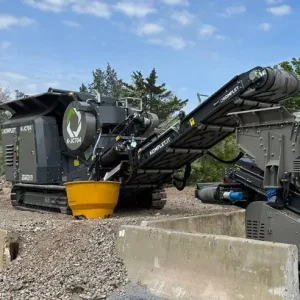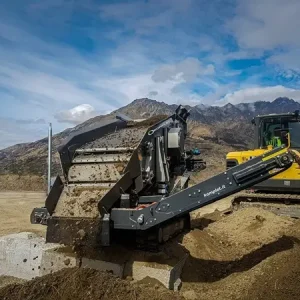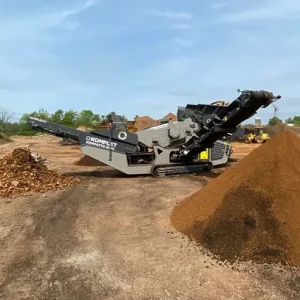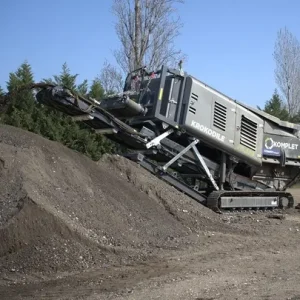

Material recovery is the conversion of waste streams into recovered products that have economic value — saleable aggregate, base material, scrap metal, recycled fill, recovered fuel. For construction, demolition, and recycling operations specifically, material recovery transforms the haul-out cost stream (tipping fees, hauling, dump waiting) into a recovery revenue stream (avoided fees, recovered material sales, scrap metal). The economics — the actual math — typically work in favor of operations large enough to justify equipment investment, in markets where tipping fees are high enough, and with material streams that command real prices in regional aggregate and scrap markets.
This basic guide walks through the economics of material recovery for construction-side operations — what material recovery means in practical commercial terms, the cost categories the economics work against, the revenue categories they work toward, the regulatory drivers accelerating adoption, and how Komplet America’s compact mobile crusher, screener, shredder, and conveyor lineup supports operations capturing the economic opportunity.
What Material Recovery Means in Construction and Demolition
Material recovery in commercial construction, demolition, and recycling operations specifically means converting demolition concrete, asphalt, brick, masonry, mixed construction and demolition (C&D) debris, and excavated rock into useful products through on-site crushing, screening, and shredding. The recovered streams typically include:
- Recycled concrete aggregate (RCA) from demolished concrete — used as road base, drainage stone, fill material, riprap
- Recycled asphalt pavement (RAP) from removed pavement — used in hot-mix asphalt and as base material
- Recycled brick and masonry from demolished structures — used as fill, base material, and decorative aggregate
- Recovered ferrous metal (rebar, embedded structural steel) — sold to scrap recyclers
- Volume-reduced mixed C&D from slow-speed shredding — reduced disposal volume, easier separation of recoverable fractions
- Screened topsoil from excavated material — used as landscape supply or sold to landscape markets
Note: this guide focuses on construction-side material recovery — the materials and operations Komplet America actually serves. Other material recovery markets (electronic waste, plastic recycling, paper, glass) involve different equipment, different supply chains, and different economic drivers.
The Cost Categories Material Recovery Works Against
Tipping Fees
The largest single addressable cost. Concrete tipping fees in major US metros typically run $50-$100+/ton. Asphalt tipping similar ranges. Mixed C&D tipping commonly $40-$80+/ton. For a 500-ton commercial demolition project in a $75/ton tipping market, tipping fees alone run $37,500. For 1,000 tons, $75,000. For larger projects scaling proportionally. Tipping fees represent direct dollars paid to dispose of material that often has positive recovery value.
Hauling Costs
Concrete and demolition material is heavy and bulky. Hauling typically runs $5-$30/ton depending on distance, with truck count scaling proportionally for remote sites. For projects 50+ miles from disposal, hauling costs alone can match or exceed tipping fees. On-site recovery eliminates most haul-out trips, capturing this cost category.
Aggregate Purchasing
Operations using crushed stone, base material, or fill typically purchase aggregate at $15-$30+/ton FOB the quarry plus delivery. Operations with on-site material recovery can substitute recovered material for purchased aggregate when applicable, eliminating purchase cost. For contractors using 2,000+ tons of base aggregate annually, this category alone often runs $50,000+/year.
Project Schedule Carrying Cost
Each day of project delay carries overhead burden — supervisor labor, equipment standby, financing carrying cost, insurance, opportunity cost on subsequent project pipeline. On-site material recovery typically compresses project schedules 10-30% by eliminating haul-out trips, dump waiting time, and post-demolition site cleanup time. The schedule compression compounds across overhead burden.
Aggregate Delivery Cost
Even when aggregate is being purchased, delivery cost adds significant cost on top of FOB-quarry pricing. Recovered material used on-site eliminates delivery cost entirely. Delivered aggregate commonly runs $30-$50/ton (FOB pricing + delivery) for typical commercial volumes — a significant per-ton premium over the FOB price.
The Revenue Categories Material Recovery Generates
Recycled Concrete Aggregate (RCA) Sales
RCA typically prices at $15-$30/ton in regional aggregate markets, depending on spec size and market acceptance. For a 1,000-ton concrete demolition project recovering 95% as RCA (950 tons × $20/ton = $19,000 revenue), the RCA stream alone generates significant additional revenue beyond avoided tipping fees.
Spec-Sized Aggregate Premium
Producing spec-sized aggregate (3/4″ base, #57 stone, #67 stone, drainage spec, fines) commands premium pricing over unscreened crusher run. Premium pricing typically runs $25-$40/ton vs. $15-$25/ton for unscreened. The Kompatto 5030 — Komplet’s best-selling screener with hydraulic 2-way / 3-way conversion — supports multi-spec production from a single integrated workflow.
Recovered Ferrous Metal
Demolition concrete typically contains 4-8% rebar by mass. Recovered rebar sells as scrap metal at $100-$300+/ton depending on grade and market conditions. For a 1,000-ton concrete demolition project with 5% rebar (50 tons × $200/ton avg = $10,000 revenue), the scrap stream adds meaningful margin to project economics.
Recycled Asphalt Pavement (RAP)
RAP from pavement removal sells as feed for hot-mix asphalt plants or as base material. RAP pricing typically runs $10-$20/ton depending on regional market and quality. Operations recovering 1,000+ tons of RAP per project capture meaningful revenue from material that would otherwise become disposal cost.
Premium Specialty Aggregate
Operations producing decorative aggregate, landscape stone, or specialty crushed material command higher pricing — typically $30-$60+/ton for decorative or specialty stone, vs. base material pricing. Specialty market access depends on regional demand and product positioning, but operations targeting these markets can multiply per-ton revenue significantly.
The Regulatory Drivers Accelerating Material Recovery Adoption
LEED v4 Materials and Resources Credits
LEED v4 awards Materials and Resources credits for documented C&D waste diversion (50%, 75%, or higher diversion percentages) AND for recycled content use in new construction. Operations with on-site material recovery capture both — diversion credits for the recycled demolition material, plus recycled content credits when that material gets used in subsequent project work. Sustainable building certification programs increasingly include material recovery-friendly provisions that influence general contractor and owner equipment purchase decisions.
State and Municipal Waste Diversion Mandates
Many state, county, and municipal jurisdictions mandate minimum C&D waste diversion percentages on commercial construction and demolition projects — typically 50-75% diversion. On-site material recovery provides measurable, documented diversion that contributes to compliance. Failure to meet diversion requirements can result in permit complications, fees, project delays, or rejection of certificate of occupancy. Compliance increasingly drives equipment purchase decisions.
State DOT Specifications Allowing Recycled Material
State Department of Transportation specifications increasingly allow recycled material (RCA, RAP) for non-structural pavement layers — base, sub-base, shoulder construction, embankment fill. Some state DOTs specifically encourage recycled content for sustainability and cost reasons. The regulatory acceptance creates the market demand that underpins the per-ton pricing of recovered material.
Federal Section 179 Tax Deduction
New material recovery equipment qualifies for Section 179 tax deduction up to $1.22M (2024 limit). Effectively, qualifying equipment can be fully deductible in the year of purchase rather than depreciated over multiple years. Combined with Komplet Capital financing (24-hour approval, 100% financing, 3-6 year terms), the federal tax structure significantly accelerates the financial case for material recovery equipment.
Komplet America’s Material Recovery Equipment Lineup
Compact Mobile Jaw Crushers (Primary Reduction)
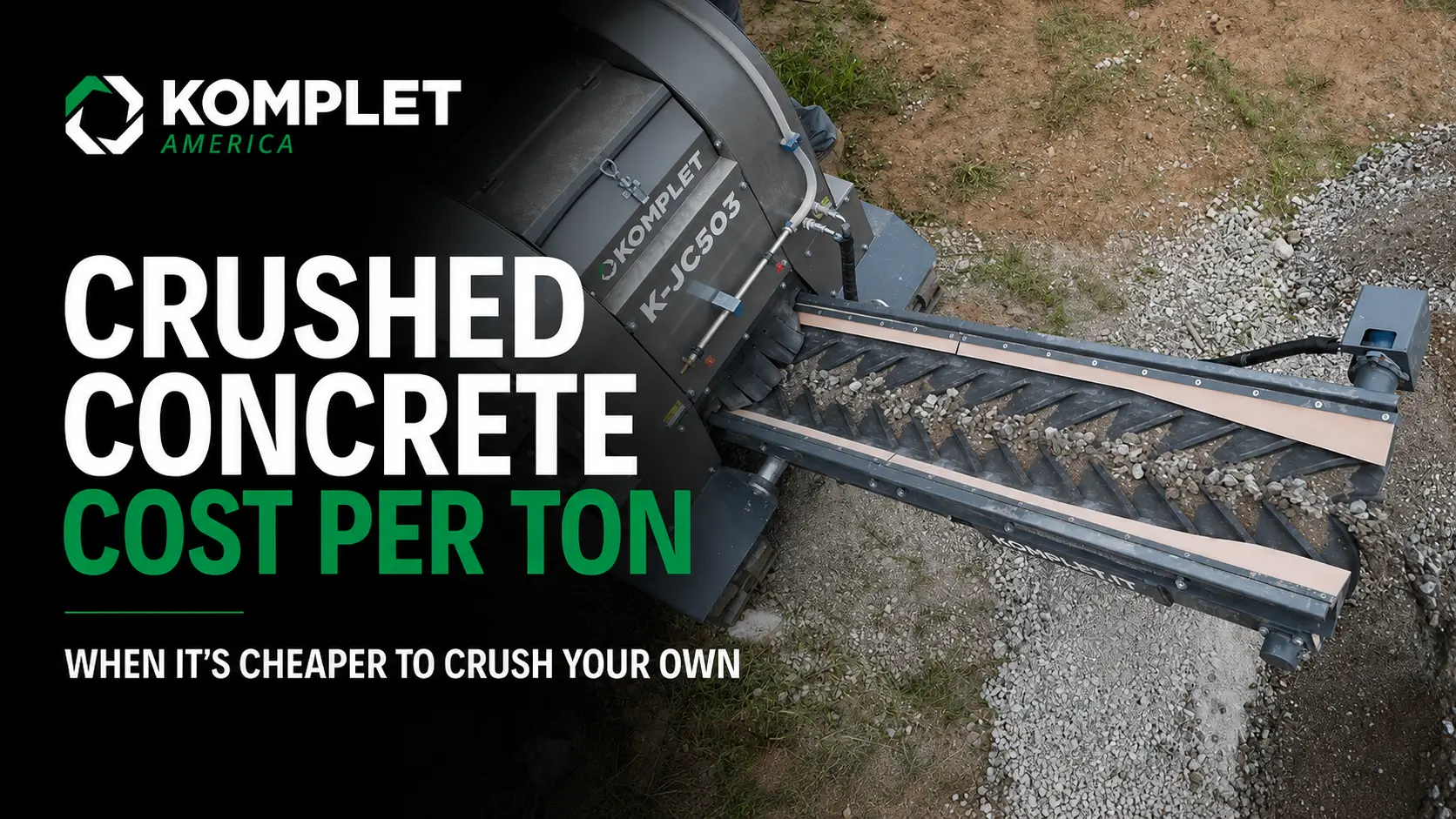
- K-JC 503 — up to 34 US tph, 19″ x 12″ jaw, 25 HP Tier 4 Final, ~7,496 lb. Tight-access urban work, small-scale recovery operations.
- K-JC 604 — up to 55 US tph, 23″ x 16″ jaw, 55 HP, ~19,400 lb. Mid-range demolition and recovery operations.
- K-JC 704 PLUS — up to 90 US tph, 27″ x 16″ jaw, 74 HP, ~26,455 lb. Komplet’s best-selling crusher — the workhorse for typical contractor recovery operations.
- K-JC 805 — up to 160 US tph, 31″ x 21″ jaw, 130 HP, ~49,600 lb. Largest jaw crusher in the lineup, for high-volume material recovery operations.
Compact Mobile Impact Crusher (Premium Cubical Output)
- K-IC 70 — up to 90 US tph, 25″ x 20″ feed, 100 HP. Premium cubical aggregate for concrete and asphalt mix-design markets — commanding higher per-ton pricing than standard crushed material.
Vibrating Scalping Screeners (Spec Size Production)
- Kompatto 221 — up to 90 US tph, two-deck.
- Kompatto 5030 — up to 280 US tph, hydraulic 2-way / 3-way conversion. Best-selling screener.
- Kompatto 124 — up to 350 tph. Largest mobile scalping screen.
Trommel Screeners (For Topsoil and Wet/Sticky Material)
- K-TS 30 — up to 80 tph, compact trommel for topsoil and mixed-material screening.
- K-TS 40 — up to 120 tph, larger trommel for higher-volume topsoil and wet/sticky material recovery.
Slow-Speed Shredder (Mixed C&D Volume Reduction)
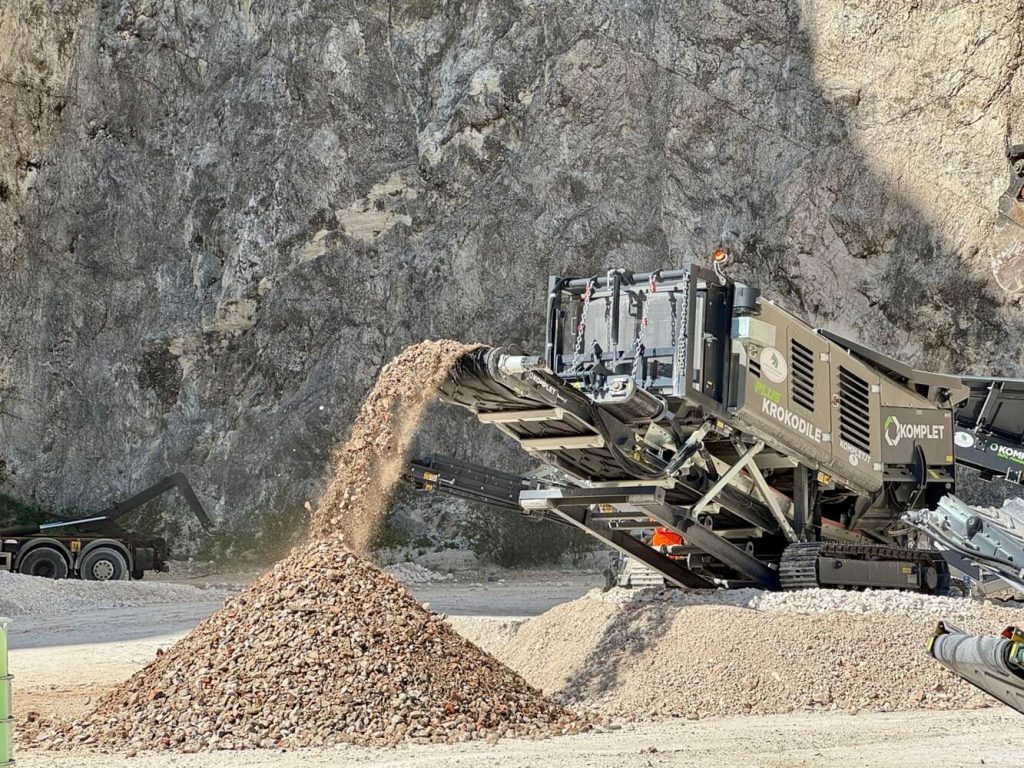
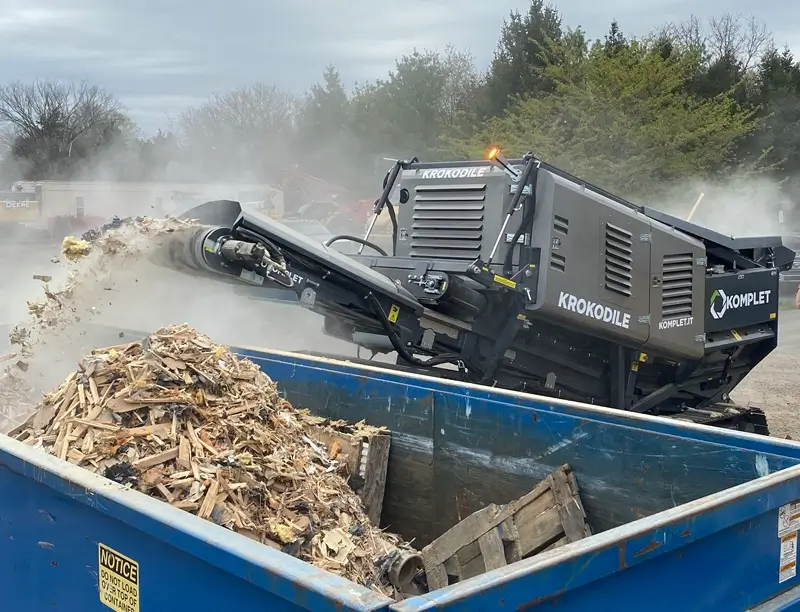
- Krokodile PLUS — single 60″ shaft, 220 HP Volvo Penta engine, up to 175 US tph C&D / up to 18 US tph waste material processing. For volume reduction of mixed C&D debris before disposal — converting bulky debris into compacted shredded output.
Mobile Conveyor (Workflow Integration)
- K-TC 460 — up to 132 US tph, 25″ Chevron 3-ply belt, 25 HP Tier 4 Final, ~7,000 lb. Conveyor for moving material between processing stages and to stockpiles.
Frequently Asked Questions
Does material recovery actually generate revenue, or just reduce cost?
Both. Avoided tipping fees, eliminated hauling costs, and avoided aggregate purchases reduce cost. Recovered RCA sales, recovered scrap metal, RAP sales, and specialty aggregate sales generate revenue. The combined economic impact compounds — for typical commercial operations, the avoided cost categories often exceed the equipment cost on an annual basis, with recovered revenue providing additional margin on top.
What materials does Komplet equipment recover?
Construction-side materials: demolition concrete (with rebar), asphalt, brick, masonry, mixed C&D debris, excavated rock, and topsoil. Komplet equipment is engineered specifically for these construction-side material streams — not for electronic waste, plastic recycling, paper, glass, or precious metal recovery (those markets use different equipment from manufacturers specializing in those segments).
How much can a contractor save through material recovery?
Highly variable based on project profile, regional pricing, and operational utilization. Typical reference points: a 500-ton commercial concrete demolition project in a major US metro, conventional disposal pathway costs $75,000-$170,000+ (demolition + hauling + tipping fees). On-site material recovery pathway typically reduces total cost to $15,000-$30,000 (operation + crew + minor wear parts), with recovered material revenue typically running $7,500-$30,000+ on top. Net savings range from $60,000-$170,000+ per project. Numbers vary significantly by region, project specifics, and market conditions.
What’s the smallest scale where material recovery makes economic sense?
Single-project justification typically starts around 200-500 tons of crushable material in markets with high tipping fees, or 500-1,000 tons in markets with moderate tipping fees. Below those thresholds, equipment mobilization and operating costs may exceed the avoided disposal costs for a single project. For operations with recurring demolition pipeline (3+ projects per year), much smaller individual project sizes work because the equipment amortizes across many projects.
How does the regulatory environment affect material recovery economics?
Regulatory drivers (LEED v4 credits, state/municipal waste diversion mandates, DOT specifications allowing recycled material) create the demand and compliance pressure that supports recovered material pricing. Operations bidding LEED-certified commercial work increasingly need documented material recovery to qualify; commercial projects in jurisdictions with diversion mandates need documented recovery to obtain certificate of occupancy. The regulatory environment increasingly drives equipment purchase decisions independent of the direct economic case.
Can I rent material recovery equipment to test the economics first?
Yes — through Komplet’s authorized dealer and rental network. Find your local Komplet dealer or call (908) 369-3340. Many partners offer rent-to-own arrangements where rental payments credit toward eventual purchase. Rental is typically the right starting point for first-time material recovery operations — it demonstrates operational economics on real projects before committing capital.
How does material recovery affect project schedule?
Typically compresses project schedule 10-30% by eliminating haul-out trips, dump waiting time, and post-demolition site cleanup. Faster completion means lower overhead absorption per project, faster crew rotation to next contract, and earlier billing milestones. The schedule compression compounds with the direct cost savings to deliver project economics that haul-out alternatives can’t match.
What’s the warranty on Komplet material recovery equipment?
All new Komplet equipment ships with a 1-year / 1,000-hour warranty (whichever comes first). Komplet America’s parts inventory is forecasted 12 months in advance, supporting fast wear-part availability when service items are needed. Authorized dealers across North and Central America provide local service support — call (908) 369-3340 for parts, service, or technical questions.
Final Thoughts
The economics of material recovery work in favor of construction, demolition, and recycling operations large enough to justify equipment investment, in markets where tipping fees are high enough to make avoided disposal meaningful, and with material streams that command real prices in regional aggregate and scrap markets. The combination of avoided dump fees, recovered material revenue, eliminated hauling, project schedule compression, and federal Section 179 tax benefits typically delivers operational economics that haul-out alternatives can’t match. Regulatory drivers (LEED, waste diversion mandates, DOT recycled material specifications) compound the economic case, increasingly making material recovery a competitive necessity rather than a nice-to-have option.
Komplet America’s compact mobile equipment lineup — jaw crushers, impact crushers, vibrating scalping screeners, trommel screeners, slow-speed shredders, and mobile conveyors — covers the full spectrum of construction-side material recovery operations. Browse the complete equipment lineup or call us to discuss whether on-site material recovery fits your specific operation.
Ready to Talk Material Recovery Economics?
- Call (908) 369-3340
- Email [email protected]
- Schedule a demo or request a quote
- Find your local Komplet dealer for rental availability
- Ask about our 1-year / 1,000-hour warranty and equipment financing options
Never enough — that’s how we approach service, support, and helping operations capture the material recovery economic opportunity that’s actually available to them.
Disclaimer: All cost, ROI, payback, pricing, dump fee, scrap pricing, and revenue figures in this article are illustrative examples based on sample assumptions about volume, regional pricing, material specifications, and market conditions. Actual results vary significantly by region, market, material type, equipment utilization, operator skill, financing terms, regulatory environment, and many other factors. Equipment pricing, tipping fees, RCA pricing, scrap metal pricing, fuel costs, and labor rates all change over time and by location. Komplet America makes no guarantee, warranty, or representation of specific financial performance, payback timelines, or business outcomes for any particular operation. For current pricing and a payback estimate based on your specific volume, material, and local market, contact us at (908) 369-3340 to speak with our team.