Aggregate quality can make or break a construction project. Poor gradation, inconsistent sizing, or contaminated materials lead to structural failures, pavement cracking, and costly repairs. That’s why more contractors are turning to jaw crushers for construction to take control of their material quality right at the job site.
Let’s explore how on-site aggregate crushing helps contractors maintain strict quality standards while cutting costs and improving project outcomes.
Why On-Site Aggregate Quality Control Matters
Quality control starts the moment materials enter your project. When you rely on off-site crushing facilities, you’re trusting someone else’s standards and dealing with inconsistent results. Poor quality aggregate creates serious problems like reduced concrete strength, excessive voids, particle breakdown, and pavement performance issues including rutting and cracking.
Research shows that inferior aggregates are among the leading causes of construction failures. Variabilities in particle size distribution undermine concrete strength, while poorly graded materials create weak spots in pavements. Additionally, using substandard aggregates often violates building codes and project specifications, leading to rejected loads and expensive rework.
On-site crushing puts quality control directly in your hands. You determine the material specifications, adjust settings in real-time, and verify results immediately. This level of control is impossible when materials come from external sources.
Jaw Crushers for Construction: The Right Tool for Quality Control
Jaw crushers are specifically designed to produce consistent, specification-grade aggregates from concrete, asphalt, and demolition materials. Unlike off-site facilities where you have no input, jaw crushers give contractors direct control over the crushing process.
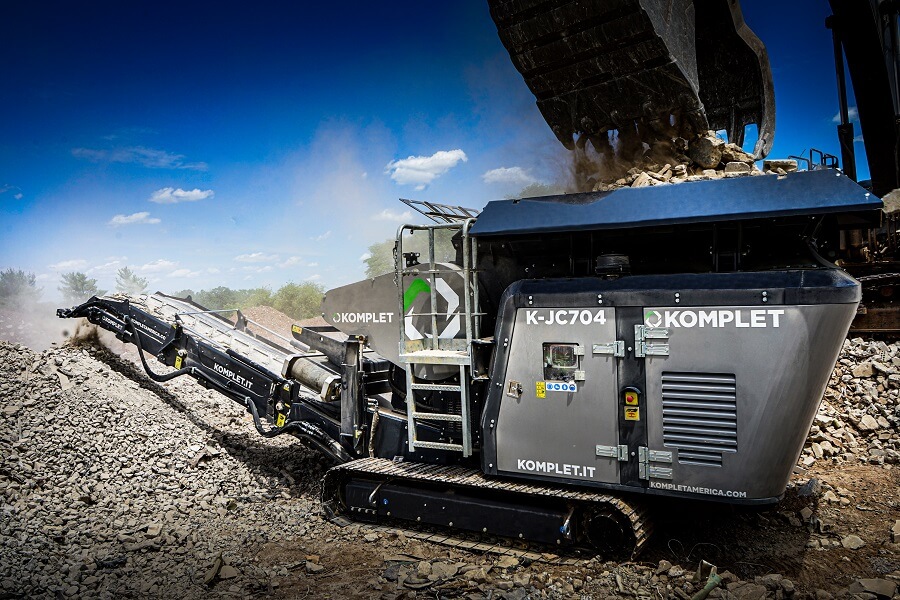
Modern jaw crushers for construction come equipped with features that enhance quality control. Hydraulically adjustable jaw settings allow operators to fine-tune output size without stopping production. Integrated vibrating feeders ensure smooth, consistent material flow into the crushing chamber, preventing blockages and maintaining steady production rates.
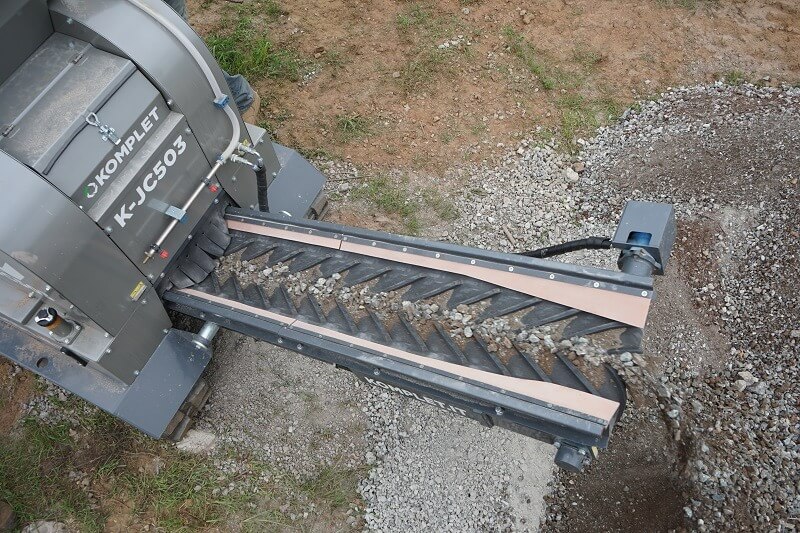
The K-JC 604 from Komplet America exemplifies these capabilities. With a 23″ x 16″ jaw and output sizes ranging from 3/4″ to 3-1/4″, this machine produces up to 55 tons per hour of precisely sized aggregate. Its remote-controlled adjustment system means contractors can modify specifications on the fly to meet changing project requirements.
How Mobile Jaw Crusher Equipment Ensures Consistent Aggregate Size
Particle size consistency is critical for construction aggregate quality control. Materials with uniform gradation create stronger concrete, more stable road bases, and better compaction. Mobile jaw crusher equipment achieves this through several key mechanisms.
The crushing process in jaw crushers uses compression force between fixed and moving plates. As material enters the chamber, it’s progressively broken down to the desired size. The closed-side setting determines the smallest particle size that can exit the crusher, giving contractors precise control over gradation.
Chamber level sensors monitor material flow and prevent overloading, which could compromise output quality. Reverse jaw functions help clear sticky materials and blockages, maintaining consistent production throughout the workday. These features work together to eliminate the size variations that plague off-site crushed materials.
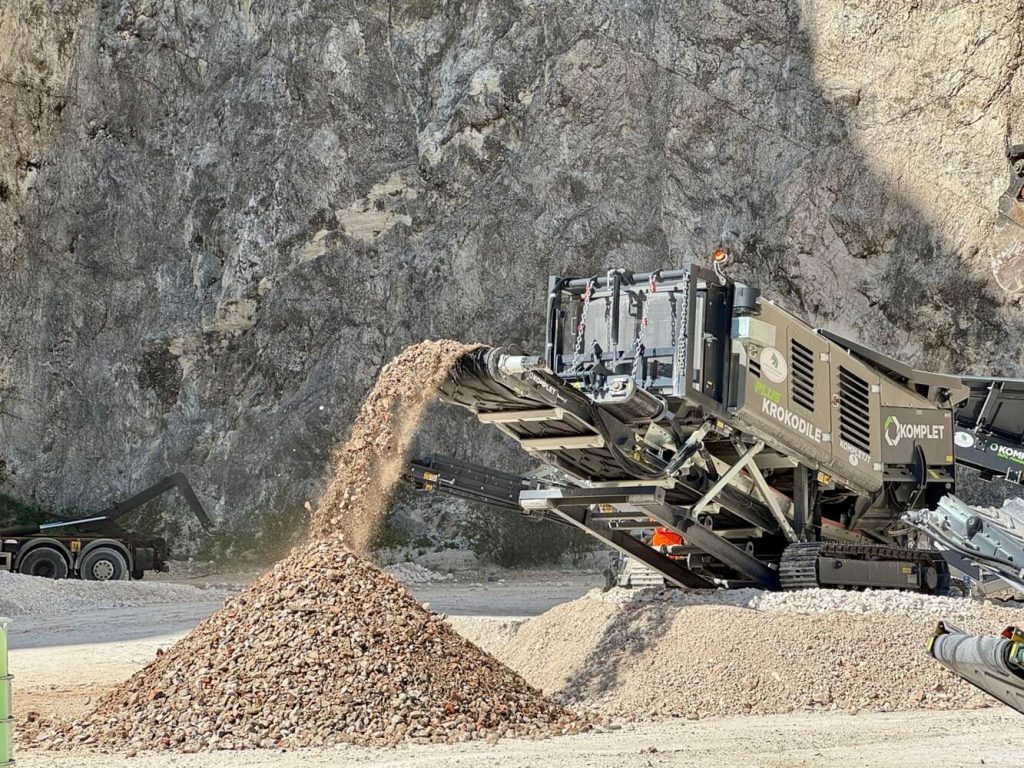
Moreover, mobile jaw crusher equipment processes material immediately as it’s generated. This eliminates the degradation that occurs during multiple handling and transportation steps. The result is higher quality aggregate with fewer fines and more consistent particle shape.
Construction Aggregate Quality Control Through On-Site Crushing
On-site crushing transforms quality control from a passive hope into an active process. Contractors can inspect source materials before crushing, adjust settings based on immediate testing, and verify output quality in real-time. This hands-on approach prevents the common problems associated with purchased aggregates.
Testing becomes simpler and more meaningful when you control the production. You can perform gradation analysis throughout the day, catching issues before they affect the project. If specifications change or you need different aggregate sizes for various applications, adjustments take minutes instead of days.
The economic benefits reinforce quality improvements. Off-site crushing typically costs $66 to $140 per ton when factoring in tipping fees and transportation. Many contractors spend $10,000 to $15,000 per site just moving materials. On-site crushing eliminates these expenses while delivering superior quality control.
Quality documentation also improves with on-site operations. You maintain complete records of source materials, crushing parameters, and output specifications. This traceability proves invaluable for meeting regulatory requirements and green building certifications.
Concrete Crushing On-Site: Benefits for Aggregate Recycling Contractors
Concrete crushing on-site offers aggregate recycling contractors a competitive edge through superior quality control and cost savings. Recycled concrete aggregate commands prices from $2.76 to $6.70 per ton, but only when it meets strict gradation and cleanliness standards.
On-site operations give recycling contractors the flexibility to produce multiple aggregate sizes from a single source. A jaw crusher can create road base material one day and decorative aggregate the next, simply by adjusting the closed-side setting. This versatility opens new revenue streams and market opportunities.
Quality control becomes a profit center rather than a cost when contractors process materials on-site. Clean, properly graded recycled aggregate competes directly with virgin materials while supporting sustainability goals. Projects increasingly require or incentivize recycled content, and contractors with reliable on-site crushing capabilities win these bids.
The environmental benefits strengthen your market position. Fewer truck trips mean lower carbon emissions and reduced traffic congestion. Keeping materials on-site eliminates landfill waste and preserves natural resources. These advantages resonate with environmentally conscious clients and help contractors meet LEED requirements.
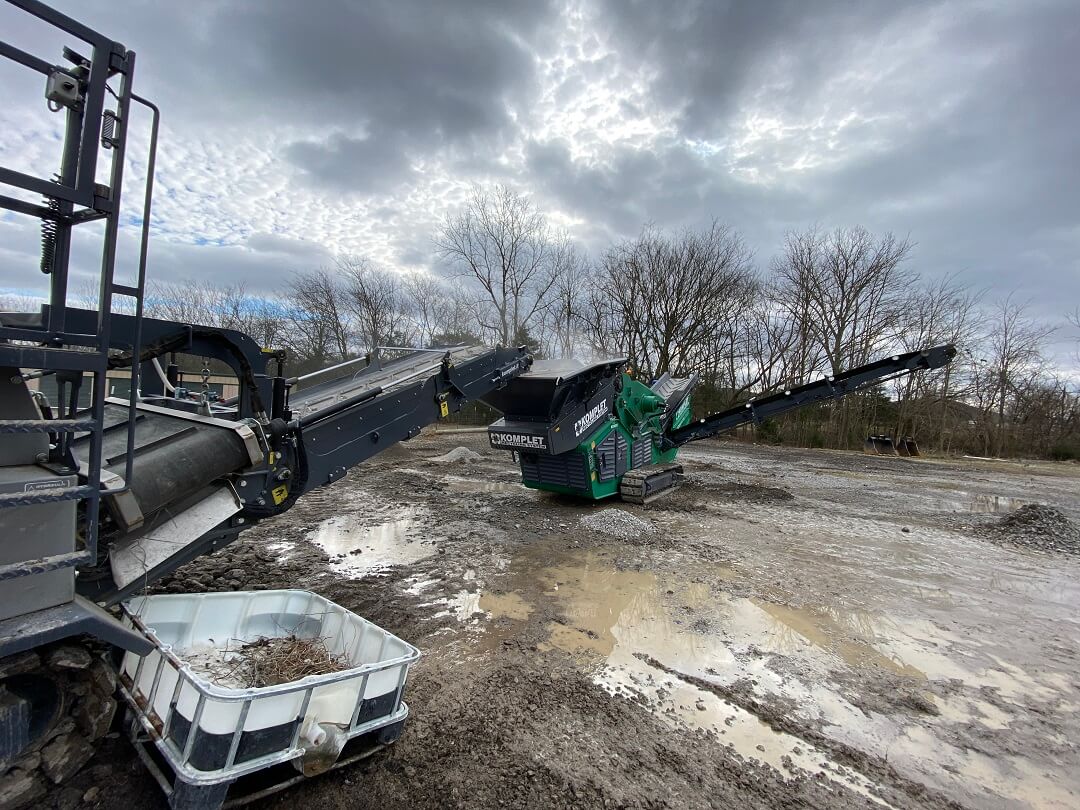
Komplet America’s mobile jaw crusher equipment is purpose-built for these applications. Compact dimensions allow operation in confined urban sites, while Tier 4 Final diesel engines meet strict emission standards. The combination of mobility, efficiency, and precise quality control makes them ideal for aggregate recycling contractors focused on delivering premium materials.
Conclusion
Quality aggregate is the foundation of successful construction projects. Jaw crushers give contractors direct control over particle size, gradation, and cleanliness, eliminating the uncertainty of off-site crushing. From concrete recycling to road base production, on-site crushing delivers consistent results while reducing costs and supporting sustainability.
Komplet America’s jaw crushers are helping contractors across the country take control of aggregate quality on every job site. With hydraulically adjustable settings, integrated feeders, and mobile designs, these machines turn construction waste into specification-grade materials. Request a quote from Komplet America today to discover how on-site crushing can improve both quality and profitability on your next project.