
Winter mobile crusher operation introduces operational challenges that summer operations don’t face — cold-thickened hydraulic fluid requiring extended warm-up, frozen surfaces affecting traction and material handling, Tier 4 Final emissions systems with specific cold-weather considerations (DEF freezes at 12°F), reduced operator and crew comfort and safety margins, and shorter daylight hours affecting operational scheduling. Operations that handle these challenges through disciplined daily operational practices maintain rated production through winter conditions; operations that don’t pay through cold-start equipment damage, increased safety incidents, and unexpected downtime at exactly the wrong moments.
This basic guide walks through daily operational practices for winter mobile crusher operation — cold-weather start-up procedures, in-shift management, Tier 4 Final emissions considerations, tracked mobility considerations, end-of-shift practices, and crew safety considerations. The guidance applies across Komplet America’s compact mobile jaw crusher lineup — though specific procedures vary by equipment model and operators should always reference the OEM operator’s manual for their specific equipment. For seasonal preparation guidance (fluid changes, battery testing, storage procedures), see our Seasonal Jaw Crusher Maintenance guide.
Cold-Weather Start-Up Procedures
Pre-Start Inspection
Daily pre-shift inspection per OEM operator’s manual remains essential year-round, with additional considerations during winter:
- Snow and ice clearance from track frame, jaw chamber, conveyor belt path, and operator areas before starting equipment
- Visual inspection of fluid levels — cold-thickened fluids may show different visual indicators than warm fluids
- Battery condition check — cold weather reduces effective battery capacity by 30-50% depending on temperature
- Hydraulic hose inspection — rubber components stiffen in cold weather; cracks or weeping at fittings become more apparent
- Belt condition inspection — rubber belts in cold weather can show stress at splices and tensioner contact points
- DEF tank level (Tier 4 Final equipment) — verify DEF level supports planned operational duration
Engine Warm-Up
Per OEM operator’s manual: allow engine warm-up before placing under load. Specific warm-up duration depends on ambient temperature, cold-soak duration, and equipment model — reference the operator’s manual. General guidance:
- Allow engine to reach operating temperature before activating crushing operations
- Avoid high-RPM operation during initial warm-up — forcing cold engine to high speed accelerates wear
- Monitor engine warning indicators — some warnings during cold start are normal; others indicate problems requiring shut-down
Hydraulic System Warm-Up
Hydraulic systems require additional warm-up time once engine is running. Cold-thickened hydraulic fluid produces sluggish hydraulic function; forcing crushing operation under load before hydraulic warm-up is the most common cause of preventable cold-weather damage:
- Cycle hydraulic functions at low pressure (jaw setting adjustment, conveyor folding/unfolding) to circulate fluid through hydraulic system
- Watch for sluggish hydraulic response — continued sluggishness after expected warm-up time indicates need for additional warm-up time or potential fluid grade issue
- Allow extended warm-up after extreme cold soak — equipment that’s sat overnight at very cold temperatures may require significantly longer warm-up than equipment in service throughout the day
Tier 4 Final Cold-Weather Start
All current Komplet jaw crushers use Tier 4 Final emissions-compliant diesel engines. Cold-weather considerations specific to Tier 4 Final start-up:
- DEF (Diesel Exhaust Fluid) freezes at 12°F — DEF tank heaters operate when engine is running, but DEF in lines may need time to thaw before SCR system reaches operational state
- Engine warm-up affects exhaust temperatures — SCR system needs to reach operating temperature for proper emissions function
- DPF regeneration cycles — equipment that runs short-duration jobs in cold weather may require periodic active regen cycles to clear soot buildup
- Monitor warning indicators specific to emissions system — Tier 4 Final equipment includes additional indicators beyond standard engine warnings
In-Shift Operational Management
Material Handling in Cold Conditions
Frozen and partially frozen material presents specific operational challenges:
- Frozen material clumps can stick together, requiring careful feed presentation to avoid jaw chamber blockages
- Wet/icy material on conveyor belts can cause material build-up and slippage — monitor belt condition during operation
- Frozen material on stockpiles may require extended digging time before equipment can effectively process it
- Concrete with embedded ice crushes normally but may show different fracture characteristics than dry warm-weather material
Reverse Jaw Function for Frozen Blockages
Frozen material clumps occasionally cause jaw chamber blockages that don’t respond to normal crushing. Reverse jaw function (standard on all Komplet jaw crushers) clears these blockages without requiring extended shutdown to clear material manually. Use reverse jaw function rather than attempting to force frozen blockages through normal crushing — forcing damages the crusher.
Hydraulic System Monitoring
Hydraulic system temperatures rise during operation, but cold ambient conditions can prevent reaching optimum operating temperature:
- Monitor hydraulic temperature gauges during sustained operation
- Watch for hydraulic functions becoming progressively more responsive as system reaches operating temperature
- Take operational breaks if hydraulic temperatures don’t reach normal operating range — sustained operation with cold-thickened fluid accelerates seal wear
Conveyor Belt Management
Belt conveyors in cold weather can develop ice build-up and reduced traction:
- Belt scraper function becomes more important during cold weather operation — material clears more reliably than freezing onto belt surfaces
- Belt heaters (if equipped on specific equipment) help maintain belt operating temperature
- Monitor for belt slippage from ice contamination — slippage damages belt and reduces conveyor capacity
Lubrication Frequency
Cold weather affects lubrication intervals — reference OEM operator’s manual for cold-weather greasing intervals. Some operations increase greasing frequency during sustained cold weather operation; others maintain standard intervals depending on equipment design and operational conditions.
Tracked Mobility in Winter
Pre-Operation Track Inspection
- Snow and ice clearance from track frame, drive sprockets, idlers, and rollers before equipment movement
- Track tension verification — freezing conditions can affect track tension; verify per OEM specifications before operation
- Inspection for compacted ice around track components that could damage components during movement
Equipment Movement on Frozen Surfaces
- Reduced traction on icy surfaces requires slower equipment movement and careful operational positioning
- Avoid steep grades on frozen surfaces — traction available may not support equipment movement on inclines
- Be cautious of frozen ground concealing soft conditions underneath — particularly during freeze-thaw cycles
Site Preparation for Equipment Movement
- Clear snow accumulation from operational area before equipment positioning
- Identify drainage and water accumulation patterns — frozen water deposits can damage equipment if equipment sits in standing water that subsequently freezes
- Plan equipment positioning to allow snow management during the operational shift
End-of-Shift Practices
Spillage Cleanup
Wet, sticky, or fine material that spills onto crusher components can freeze overnight, creating start-up problems the next day:
- Clean spillage from crusher chamber at end of shift before material freezes
- Clear material build-up from conveyor belt path, idlers, and discharge area
- Remove material from track frame and undercarriage where freezing could affect next-day track movement
- Address material stuck in jaw chamber — frozen jaw chamber material can prevent next-day startup
End-of-Shift Inspection
- Visual inspection for any damage or wear that developed during the shift — easier to identify before equipment cold-soaks overnight
- Note operational issues for next-shift operator awareness
- Verify equipment positioned for overnight conditions — sheltered if practical, level, with reasonable drainage
Storage Considerations Between Shifts
Equipment that operates throughout the day and sits overnight cold-soaks at ambient temperatures. Brief overnight storage doesn’t typically require special procedures beyond end-of-shift cleanup and standard pre-start inspection the next day. Extended storage (multi-day weather shutdowns, weekend gaps) may benefit from sheltered positioning, fluid stabilization, or other procedures per OEM operator’s manual.
Crew Safety Considerations
Cold Weather Personal Protection
Operators and ground crew face additional safety considerations during winter operations:
- Cold-weather PPE — insulated gloves that don’t compromise dexterity for equipment controls, layered cold-weather clothing, eye protection rated for cold conditions, hard hat liners
- Slip and fall hazards from icy surfaces around equipment — operators should not climb on equipment unless necessary; use wireless remote operation when possible
- Hypothermia awareness — operations should have cold injury prevention programs per applicable regulatory requirements
- Reduced dexterity from cold can affect equipment control responsiveness — operators should maintain warm-up periods between extended outdoor exposure
Wireless Remote Operation Advantages in Winter
Komplet equipment includes wireless remote control supporting safe operator distance during operation. Winter operations particularly benefit from wireless remote operation:
- Operator can position in heated cab (loader cab, support vehicle) while equipment operates
- Reduced cold exposure for operators during sustained operation
- Improved safety distance from operating equipment on potentially icy surfaces
- Faster response to operational issues from operator positioned for visibility rather than positioned for equipment access
Operator Training for Winter Conditions
Komplet America’s authorized dealers provide operator training as part of new equipment delivery. For sustained winter operations, request seasonal refresher training covering cold-weather start-up procedures, in-shift cold-weather management, end-of-shift practices, and safety considerations specific to your operational profile. Contact your local authorized Komplet dealer for training availability.
Reduced Daylight Hours
Winter operations face reduced daylight hours that affect operational scheduling:
- Earlier daily startup (while still light) gets more crushing time per shift
- Adequate site lighting for safe operation during low-light conditions
- End-of-shift planning to avoid critical maintenance or material handling tasks in darkness
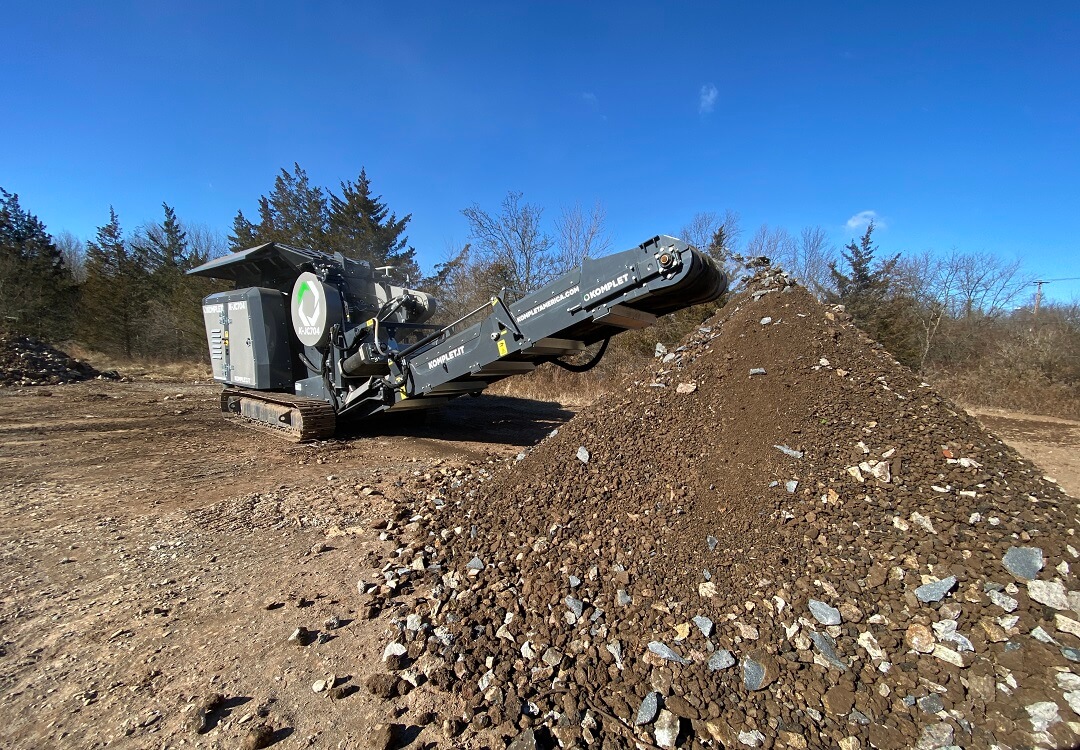
Komplet America’s Compact Mobile Jaw Crusher Lineup
All current Komplet jaw crushers operate effectively across winter conditions with proper operational practices:
- K-JC 503 — up to 34 US tph, 19″ x 12″ jaw, 25 HP Tier 4 Final, ~7,496 lb. Tight-access urban work.
- K-JC 604 — up to 55 US tph, 23″ x 16″ jaw, 55 HP, ~19,400 lb. Mid-range demolition.
- K-JC 704 PLUS — up to 90 US tph, 27″ x 16″ jaw, 74 HP, ~26,455 lb. Komplet’s best-selling crusher.
- K-JC 805 — up to 160 US tph, 31″ x 21″ jaw, 130 HP, ~49,600 lb. Largest jaw crusher in the lineup.
Standard Features Supporting Winter Operation
- Tier 4 Final emissions-compliant diesel engines with cold-weather considerations covered above
- Self-propelled tracked mobility for site-to-site movement and on-site repositioning
- Wireless remote control for operator positioning in heated locations during operation
- Hydraulic jaw setting adjustment with reverse jaw function for frozen material blockages
- Standard dust suppression (less relevant in winter but important year-round)
- Magnetic separation (standard on K-JC 604+; optional on K-JC 503 included in base price) — supports rebar recovery from reinforced concrete
Frequently Asked Questions
How cold is too cold for compact mobile crusher operation?
Compact mobile jaw crushers can operate in cold conditions with proper operational practices, but operational considerations increase as temperatures drop. Below ~10°F, special attention is required for batteries, hydraulic warm-up, fuel quality, and Tier 4 Final emissions system function. Below ~0°F, extended cold-soak considerations may apply. Reference your equipment’s OEM operator’s manual for specific minimum ambient temperature ranges and cold-weather procedures.
How long should I let the engine warm up in winter?
Reference OEM operator’s manual for specific cold-weather warm-up procedures. General guidance: allow sufficient time for engine and hydraulic systems to reach operating temperatures before placing under load. Forcing crusher operation under load before warm-up is the most common cause of preventable cold-weather damage. Specific time depends on ambient temperature, cold-soak duration, and equipment model — equipment that’s sat overnight in extreme cold may require significantly longer warm-up than equipment in service throughout the day.
Does Tier 4 Final equipment require special winter procedures?
Yes — Tier 4 Final emissions systems include DEF (Diesel Exhaust Fluid) which freezes at 12°F, plus DPF regeneration cycles that can be affected by cold-weather operation patterns. DEF tanks include heaters that operate when the engine is running, but DEF in lines may need time to thaw before SCR system reaches operational state during start-up. Reference OEM operator’s manual for Tier 4 Final winter operation guidance specific to your equipment.
What if frozen material blocks the jaw chamber?
Use the reverse jaw function (standard on all Komplet jaw crushers) to clear blockages without requiring extended shutdown. Don’t attempt to force frozen blockages through normal crushing — forcing damages the crusher. Reverse jaw function reverses the moving jaw direction temporarily, dislodging blocked material so it can be cleared from the chamber.
Should I shut down the engine during work breaks in cold weather?
Reference OEM operator’s manual for specific guidance. General guidance: brief breaks (under 30 minutes) typically don’t require engine shutdown — keeping the engine running maintains operational temperatures. Extended breaks may benefit from shutdown to conserve fuel. Tier 4 Final emissions systems have specific considerations regarding extended idling — verify with OEM guidance for your specific equipment.
Can I operate the equipment in snow or rain?
Komplet equipment is designed for outdoor operational conditions including precipitation. Operations in snow and rain are typical for compact mobile crushers in many regions. Specific considerations include: snow and ice clearance from operational areas before startup, monitoring for ice build-up on belts and conveyors during operation, traction considerations for tracked mobility, and operator visibility through precipitation. Reference OEM operator’s manual for specific operational guidance during precipitation.
How does winter affect equipment productivity?
Winter operations typically experience some productivity reduction compared to optimal-condition operations — extended warm-up time, additional pre-shift inspection, slower material handling for frozen material, reduced operator dexterity from cold, shorter daylight hours, and weather-related delays all contribute. Operations that plan for these factors maintain reasonable productivity through winter conditions; operations that don’t see disproportionate productivity loss.
Where can I get winter operation training for my operators?
Komplet America’s authorized dealers provide operator training as part of new equipment delivery and on-request training for additional operators or seasonal refreshers. Call (908) 369-3340 to discuss training options for your operation.
Final Thoughts
Winter mobile crusher operation requires disciplined daily operational practices — pre-start inspection, cold-weather start-up procedures, in-shift management of frozen material and hydraulic temperature, end-of-shift cleanup to prevent overnight freezing, tracked mobility considerations, Tier 4 Final emissions system attention, and crew safety in cold conditions. Operations that execute these practices consistently maintain rated production through winter conditions and protect equipment investment; operations that don’t pay through cold-start damage, productivity loss, and safety incidents. Komplet America’s compact mobile jaw crusher lineup operates effectively across winter conditions with proper operational practices, supported by authorized dealer network providing operator training and service support across N&C America.
Browse Komplet America’s compact mobile jaw crusher lineup or call us to discuss equipment selection, operator training, and seasonal service support for your specific operation.
Ready to Talk Winter Crusher Operation?
- Call (908) 369-3340
- Email [email protected]
- Schedule a demo or request a quote
- Find your local Komplet dealer for operator training and service support
- Ask about our 1-year / 1,000-hour warranty and equipment financing options
Never enough — that’s how we approach service, support, and helping operations maintain rated production through winter operating conditions.
Disclaimer: This article provides general guidance on winter operational practices for compact mobile jaw crushers. The information here does not replace, supersede, or modify any guidance provided by the original equipment manufacturer (OEM). All operators and maintenance technicians should refer to the user manual and engine manual specific to their make and model of equipment for complete operating procedures, cold-weather practices, warm-up procedures, and maintenance requirements. Specific procedures, intervals, fluid grades, and operational parameters vary by equipment model. Tier 4 Final emissions systems have specific cold-weather operating requirements that vary by engine manufacturer. Cold weather safety considerations vary by jurisdiction and operational profile; consult applicable regulatory authorities and qualified safety professionals for current requirements. For technical questions about specific Komplet equipment winter operation, contact Komplet America’s service team at (908) 369-3340 or your local authorized dealer.