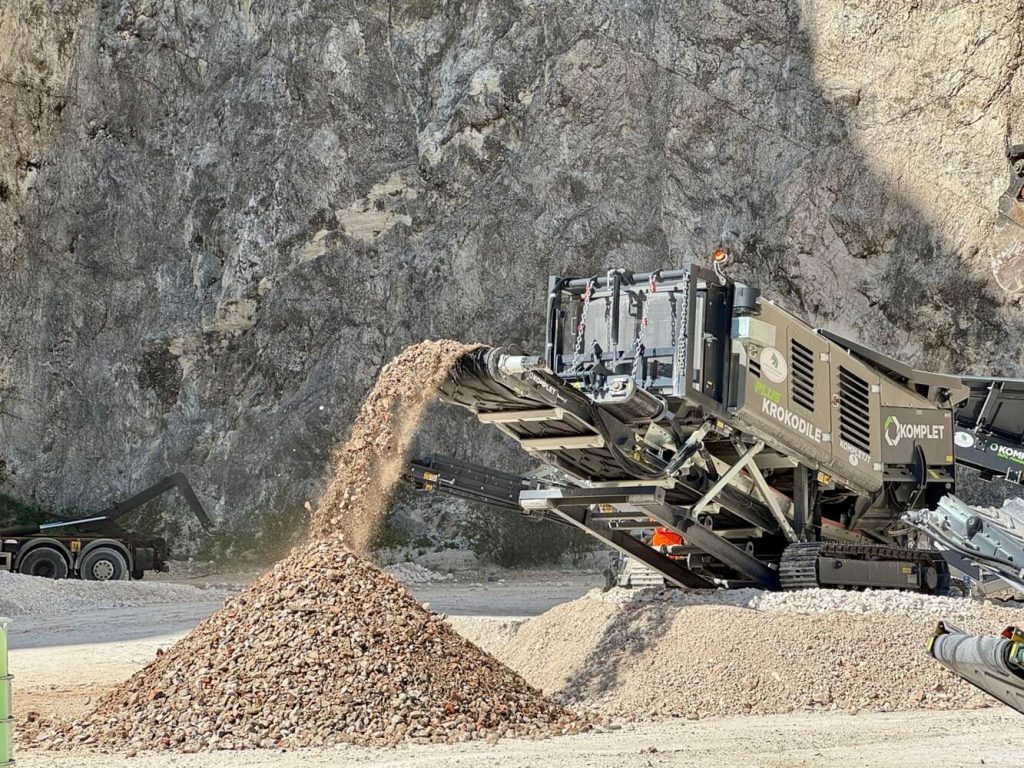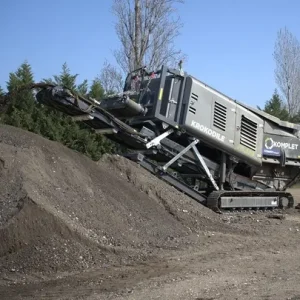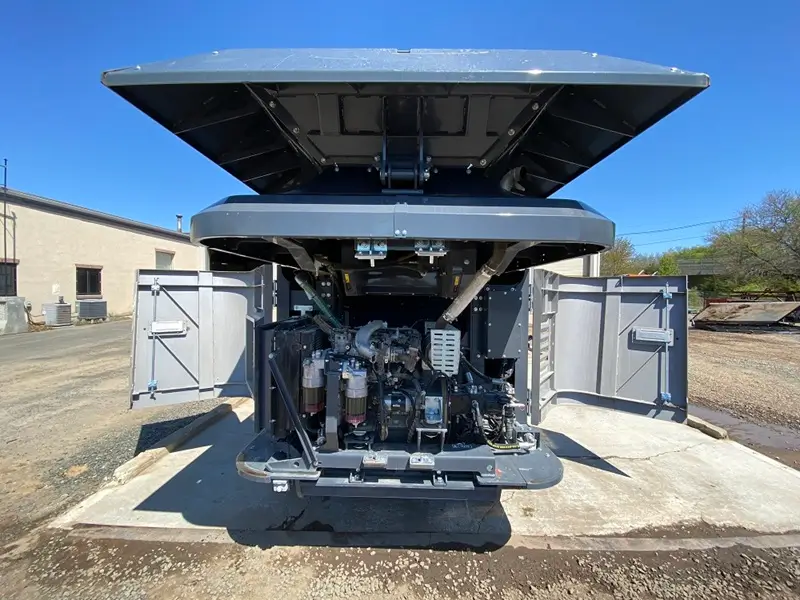

Compact mobile jaw crushers operate in extreme weather conditions across North and Central America — sub-zero winter mornings in northern regions, 100°F+ summer afternoons in southern regions, and humid conditions, dust storms, freeze-thaw cycles, and seasonal precipitation throughout. Equipment performance, reliability, and longevity all depend on proper seasonal preparation. Operators who skip seasonal maintenance pay through extended cold-start damage, summer overheating events, accelerated wear, and unexpected breakdowns at exactly the wrong moments. The good news: seasonal preparation isn’t complicated — it just requires consistent execution following OEM-specified procedures.
This basic guide walks through seasonal preparation for compact mobile jaw crushers — winter cold-weather procedures, summer hot-weather procedures, Tier 4 Final emissions equipment considerations, tracked mobility seasonal care, storage approaches, and what each season’s preparation means for equipment longevity. The guidance applies to the full Komplet America compact mobile jaw crusher lineup — though specific procedures, fluids, intervals, and parts numbers vary by machine model and operators should always reference the OEM operator’s manual for their specific equipment.
Why Seasonal Maintenance Matters
Compact mobile jaw crushers contain diesel engines, hydraulic systems, electrical and electronic components, rubber belts and hoses, lubrication points, cooling systems, fuel systems, batteries, and tracked mobility — all of which respond differently to temperature extremes. Seasonal preparation addresses the specific failure modes each season presents:
Cost of Skipping Seasonal Preparation
- Cold-start damage from operating cold engines under load before reaching operating temperature — accelerates engine wear and shortens engine life
- Hydraulic seal damage from operating hydraulics with cold-thickened fluid before warm-up
- Battery failures from extended cold storage without proper preparation
- Summer overheating events damaging engines, hydraulics, electronics — often leading to multi-day repair downtime
- Belt and hose failures from rubber stiffening (winter) or accelerated degradation (summer)
- DEF (Diesel Exhaust Fluid) freezing on Tier 4 Final equipment in winter — can disable equipment until thawed
- Track wear acceleration from operating in extreme conditions without proper inspection and adjustment
Reference the OEM Operator’s Manual
Every Komplet equipment ships with complete OEM operator’s manuals specific to each machine model. The manual specifies seasonal preparation procedures, recommended fluid grades for different ambient temperature ranges, service intervals adjusted for operational conditions, and lockout procedures for storage. Operators and maintenance technicians should reference the operator’s manual for all seasonal preparation work — the information here provides general guidance only.
Winter Preparation: Cold Weather Operation
Cold weather operation introduces specific challenges for compact mobile jaw crushers. Below ~40°F, hydraulic fluids thicken; below ~32°F, water freezing becomes a concern; below ~10°F, batteries lose significant capacity, rubber components stiffen, and Tier 4 Final emissions systems require additional consideration.
Engine and Fluids
- Use cold-weather rated engine oil per OEM operator’s manual specifications for your operational ambient temperature range. Lower-viscosity oils flow at startup; oils too heavy for the temperature can cause cold-start engine damage.
- Use cold-weather rated hydraulic fluid per OEM specifications. Hydraulic systems engineered for warm-weather fluid grades may require fluid changes for sustained cold-weather operation.
- Inspect coolant for proper antifreeze concentration matched to expected lowest ambient temperature. Coolant testers (cheap and reusable) verify protection level.
- Check fuel quality — winter-grade diesel fuel includes anti-gel additives. Fuel storage should match seasonal fuel formulations.
Tier 4 Final Emissions System
All current Komplet jaw crushers use Tier 4 Final emissions-compliant diesel engines. Cold-weather considerations specific to Tier 4 Final:
- DEF (Diesel Exhaust Fluid) freezes at 12°F. DEF tanks include heaters that operate when the engine is running, but DEF stored in equipment in extreme cold for extended periods may freeze. Reference OEM manual for specific DEF cold-weather procedures.
- Regen cycles (DPF regeneration) can be affected by cold weather operation. Equipment that runs short-duration jobs in cold weather may require periodic active regen cycles to clear soot buildup.
- Idle time considerations — extended cold-weather idling can affect emissions system function. Reference OEM operator’s manual for cold-weather idle and operating recommendations.
Battery Care
- Test battery condition before sustained cold weather operation. Cold weather reduces effective battery capacity by 30-50% depending on temperature. Marginal batteries that work in summer fail in winter.
- Store charged for equipment in extended winter storage — fully charged batteries resist freezing better than discharged batteries.
- Disconnect for extended storage if equipment will sit unused for weeks at a time, per OEM-specified procedures.
Belts, Hoses, and Rubber Components
Cold weather causes rubber to stiffen and become brittle. Inspect belts and hoses for cracks before sustained cold-weather operation; replace marginal components proactively rather than facing failure mid-operation. Hydraulic hoses are particularly susceptible to cold-weather stress at fittings and bend points.
Cold-Start Procedure
Per OEM operator’s manual: allow engine warm-up before placing under load. Hydraulic systems require additional warm-up time once engine is running — operate hydraulic functions at low pressure cycles to circulate fluid and reach operating temperature. Forcing crusher operation under load before warm-up is the most common cause of preventable cold-weather damage.
Tracked Mobility in Winter
- Snow and ice clearance from track frame and idler areas before operation. Compacted ice can damage components.
- Track tension inspection — freezing conditions can affect track tension; verify per OEM specifications before operation.
- Avoid frozen water deposits around track frame area when possible during operation.
Storage Considerations
For equipment in extended winter storage (multi-week or seasonal storage):
- Sheltered storage if practical — protects against snow accumulation, freeze-thaw moisture damage, and UV exposure.
- Treat fuel with fuel stabilizer per manufacturer recommendations to prevent fuel degradation during storage.
- Lubricate per OEM-specified storage procedures — some lubrication points require additional grease before storage to prevent rust.
- Periodic startup during extended storage (every 30-60 days per OEM recommendations) circulates fluids and verifies system function.
Summer Preparation: Hot Weather Operation
Hot weather operation introduces different challenges. Above ~80°F ambient, cooling systems work harder; above ~95°F, hydraulic fluid temperatures can approach upper operating limits; above ~100°F sustained, electronics may exceed component temperature ratings if not properly shielded; sustained 100°F+ operation accelerates wear on multiple equipment systems.
Cooling System
- Clean radiators and coolers regularly during dusty operation — concrete crushing generates significant dust that accumulates on cooling surfaces, dramatically reducing heat dissipation. Daily cleaning during extreme dust may be required.
- Verify coolant level and condition — heat accelerates coolant breakdown; coolant scheduled for fall change may need replacement during sustained hot weather.
- Inspect cooling fan operation — belt-driven fans, hydraulic fans, and electric fans all have different failure modes; verify per OEM specifications.
- Check hose conditions — heat accelerates hose degradation; cracked or weeping hoses can fail catastrophically under sustained heat load.
Hydraulic System
- Monitor hydraulic temperatures — sustained operation above OEM-specified hydraulic fluid temperature limits damages seals, accelerates fluid breakdown, and reduces equipment life.
- Verify hydraulic cooler operation — equipment with hydraulic oil coolers requires the cooler functioning properly during hot weather operation.
- Use summer-grade hydraulic fluid per OEM specifications. Fluids selected for cold-weather operation may not maintain proper viscosity at sustained high temperatures.
Electronics and Sensors
- Verify electronic component shielding — some Komplet equipment includes shaded compartments for control electronics; verify shading is intact.
- Inspect wiring harnesses — UV exposure and thermal cycling can degrade wire insulation over time.
- Sensor connections inspect for tight, clean connections — vibration plus thermal cycling can loosen marginal connections.
Increased Lubrication Frequency
Heat accelerates lubricant breakdown and increases lubrication requirements. Reference OEM operator’s manual for hot-weather greasing intervals — typically more frequent than cool-weather intervals. Don’t skimp on grease during sustained hot weather operation.
Operator and Crew Considerations
- Adequate hydration for operators and ground crew — concrete crushing operation generates significant heat exposure even with proper shading.
- Heat illness awareness — OSHA increasingly addresses heat hazards; operations should have heat illness prevention programs per applicable regulatory requirements.
- Adjusted work schedules — sustained 100°F+ operation may require modified work hours, longer breaks, and rotation.
Tracked Mobility in Summer
- Hot ground temperatures can reach 130-150°F in direct sun on dark surfaces — affects track wear rate and lubrication.
- Increased lubrication for track components during hot weather operation per OEM specifications.
- Inspection frequency typically increases for sustained hot weather operation.
Transition Periods: Spring and Fall
Spring Startup After Winter Storage
Equipment that’s been in extended winter storage requires comprehensive inspection and recommissioning before sustained operation. Reference OEM operator’s manual for complete spring startup procedure. General checks include: fluid levels and condition, battery capacity, belt and hose condition, electrical connections, hydraulic functions, wireless remote operation, and safety system function.
Fall Pre-Winter Service
Before sustained cold weather arrives: comprehensive service per OEM-specified annual service intervals if due, fluid changes for cold-weather grades, battery condition test, belt and hose inspection with proactive replacement of marginal components, fuel system preparation for winter-grade fuel, and storage preparation if equipment will sit unused.
Year-Round Inspection Discipline
Daily pre-shift inspections per OEM operator’s manual remain essential year-round. Seasonal preparation addresses the specific challenges of temperature extremes; daily inspections catch developing issues before they become equipment failures. The combination of seasonal preparation + daily inspection discipline drives equipment reliability.
Komplet America’s Compact Mobile Jaw Crusher Lineup
- K-JC 503 — up to 34 US tph, 19″ x 12″ jaw, 25 HP Tier 4 Final, ~7,496 lb. Tight-access urban demolition.
- K-JC 604 — up to 55 US tph, 23″ x 16″ jaw, 55 HP, ~19,400 lb. Mid-range demolition.
- K-JC 704 PLUS — up to 90 US tph, 27″ x 16″ jaw, 74 HP, ~26,455 lb. Komplet’s best-selling crusher.
- K-JC 805 — up to 160 US tph, 31″ x 21″ jaw, 130 HP, ~49,600 lb. Largest jaw crusher in the lineup.
All current Komplet jaw crushers use Tier 4 Final emissions-compliant diesel engines, self-propelled tracked mobility, wireless remote control, hydraulic jaw setting adjustment, reverse jaw function, and standard dust suppression. Each requires the seasonal preparation guidance above to maintain rated performance and equipment life across operational temperature ranges.
Parts Availability for Seasonal Service
Seasonal preparation requires specific parts and consumables — fluid grades matched to operational temperature ranges, batteries, belts and hoses, filters, lubricants, and miscellaneous wear parts. Komplet America’s parts inventory at the Hillsborough, NJ headquarters is forecasted 12 months in advance, supporting fast wear-part availability when service items are needed.
Komplet America’s Authorized Dealer Network
Komplet America’s authorized dealer network across North and Central America stocks fast-moving parts and provides on-site service support. For seasonal preparation, work with your local authorized dealer to verify parts availability ahead of season transitions. For technical questions about specific service procedures or parts compatibility, contact Komplet America at (908) 369-3340 — single number handles both sales and service across the lineup.
Genuine Komplet Parts
Use genuine Komplet replacement parts to maintain equipment performance, warranty coverage, and operator safety. Aftermarket parts may not match OEM specifications, may compromise equipment performance during temperature extremes, and may void warranty coverage. Komplet America’s authorized dealer network supplies genuine parts.
Frequently Asked Questions
How cold is too cold for jaw crusher operation?
Compact mobile jaw crushers can operate in cold conditions with proper seasonal preparation, but operational considerations increase as temperatures drop. Below ~10°F, special attention is required for batteries, hydraulic warm-up, fuel quality, and Tier 4 Final emissions system function. Below ~0°F, extended cold-soak considerations may apply. Reference your equipment’s OEM operator’s manual for specific minimum ambient temperature ranges and cold-weather procedures.
Does Tier 4 Final equipment require special winter procedures?
Yes — Tier 4 Final emissions systems include DEF (Diesel Exhaust Fluid) which freezes at 12°F, plus DPF regeneration cycles that can be affected by cold-weather operation patterns. DEF tanks include heaters that operate when the engine is running, but extended cold-storage may require specific procedures. Reference OEM operator’s manual for Tier 4 Final winter operation guidance specific to your equipment.
How hot is too hot for jaw crusher operation?
Compact mobile jaw crushers can operate in extreme heat with proper preparation. Sustained 100°F+ operation requires increased attention to cooling system function, hydraulic temperatures, lubrication intervals, and operator heat exposure. Equipment monitoring during extreme heat is essential — overheating events can cause significant damage. Reference your equipment’s OEM operator’s manual for specific hot-weather operating procedures.
Should I use the same hydraulic fluid year-round?
Reference OEM operator’s manual for fluid grade specifications. Some operations use multi-grade hydraulic fluids that work across seasonal temperature ranges; some operations change fluids seasonally for optimum performance at temperature extremes. The right approach depends on your equipment, operational temperature ranges, and OEM recommendations. Don’t substitute fluid grades without OEM-approved specifications.
How long should I let the engine warm up in cold weather?
Reference OEM operator’s manual for specific cold-weather warm-up procedures. General guidance: allow sufficient time for engine and hydraulic systems to reach operating temperatures before placing under load. Forcing crusher operation under load before warm-up is the most common cause of preventable cold-weather damage. Specific time depends on ambient temperature, cold-soak duration, and equipment model.
Do I need to prepare for storage if equipment will only sit a few weeks?
Short-term storage (under 2 weeks) typically doesn’t require special procedures beyond ensuring the equipment is stored in a reasonable location. Multi-week or seasonal storage requires fuel stabilization, battery care, lubrication, and other procedures per OEM operator’s manual. Determine storage duration before deciding which preparation level applies.
Does Komplet provide seasonal training for operators?
Komplet America’s authorized dealers provide operator training as part of new equipment delivery and on-request training for additional operators or seasonal refreshers. Contact your local authorized dealer or call Komplet America at (908) 369-3340 to discuss training options for your operation.
What’s the warranty on Komplet equipment?
All new Komplet equipment ships with a 1-year / 1,000-hour warranty (whichever comes first). Komplet America’s parts inventory is forecasted 12 months in advance, supporting fast wear-part availability when service items are needed. Authorized dealers across North and Central America provide local service support — call (908) 369-3340 for parts, service, or technical questions.
Final Thoughts
Seasonal jaw crusher maintenance protects equipment investment, supports rated performance across operational conditions, and prevents the unexpected breakdowns that compound operational cost. Winter preparation addresses cold-weather challenges (engine fluids, hydraulics, batteries, Tier 4 Final emissions, rubber components, tracked mobility, storage); summer preparation addresses hot-weather challenges (cooling systems, hydraulic temperatures, electronics, lubrication, operator heat exposure, tracked mobility); transition periods address recommissioning and pre-winter service. The fundamentals follow OEM operator’s manual specifications for each equipment model — there are no shortcuts that don’t eventually result in accelerated wear or equipment damage. Operations that execute seasonal preparation consistently produce equipment longevity and rated performance; operations that skip seasonal preparation pay through reduced equipment life and unexpected downtime.
Browse Komplet America’s compact mobile jaw crusher lineup or call us to discuss equipment selection, training, parts availability, and seasonal service support for your specific operation.
Ready to Talk Seasonal Maintenance?
- Call (908) 369-3340
- Email [email protected]
- Schedule a demo or request a quote
- Find your local Komplet dealer for service support and parts availability
- Ask about our 1-year / 1,000-hour warranty and equipment financing options
Never enough — that’s how we approach service, support, and helping operations keep equipment running reliably through every season.
Disclaimer: This article provides general guidance on seasonal preparation for compact mobile jaw crushers. The information here does not replace, supersede, or modify any guidance provided by the original equipment manufacturer (OEM). All operators and maintenance technicians should refer to the user manual and engine manual specific to their make and model of equipment for complete seasonal preparation, operating, and maintenance procedures. Specific fluid grades, service intervals, parts numbers, and procedures vary by equipment model. Tier 4 Final emissions systems have specific cold-weather operating requirements that vary by engine manufacturer. For technical questions about specific Komplet equipment seasonal preparation, contact Komplet America’s service team at (908) 369-3340 or your local authorized dealer.