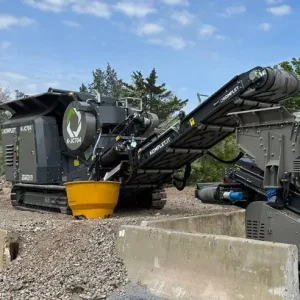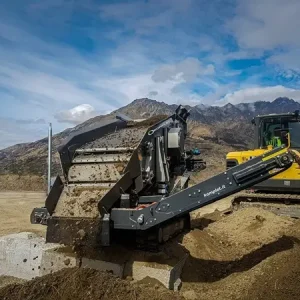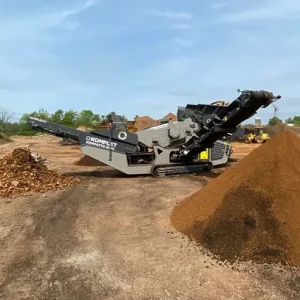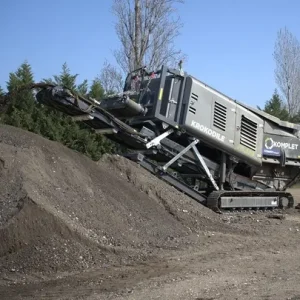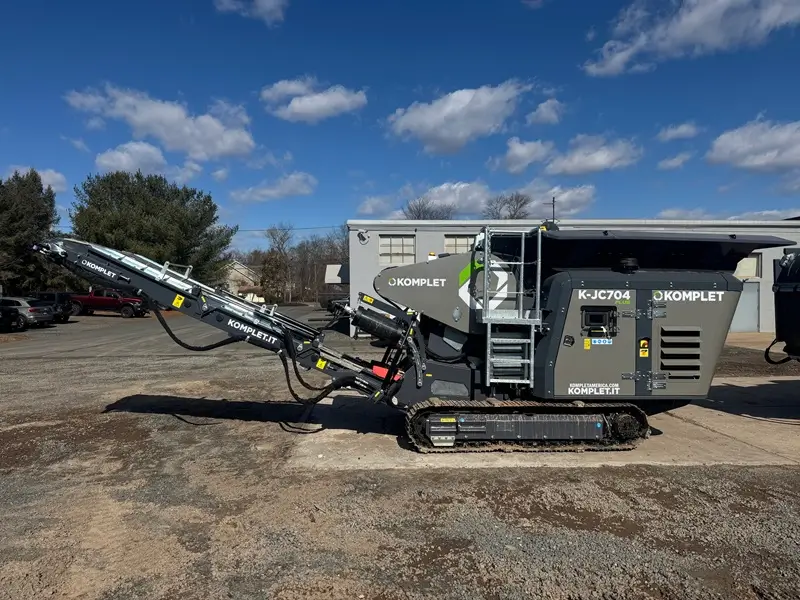

Choosing the right crusher technology for your project is the foundation of sound equipment investment. Each crusher technology — jaw, impact, cone, gyratory, hammer mill, HPGR — has specific mechanical principles, operational applications, and scale targets. Matching the technology to the project (feed material, throughput requirements, output spec, operational scale) determines whether the equipment delivers strong economics or expensive disappointment. This basic guide compares the major crushing technologies with their actual operational roles and helps you identify which technology fits your specific project type.
Important scope note: this guide covers the technology landscape objectively. Komplet America makes compact mobile jaw crushers (K-JC series) and compact mobile impact crushers (K-IC 70). Cone crushers, gyratory crushers, hammer mills, and HPGRs are made by other manufacturers focused on those specific technology segments. The information here helps buyers understand the broader landscape and where Komplet’s compact mobile lineup sits within it.
Jaw Crushers: The Construction-Side Workhorse
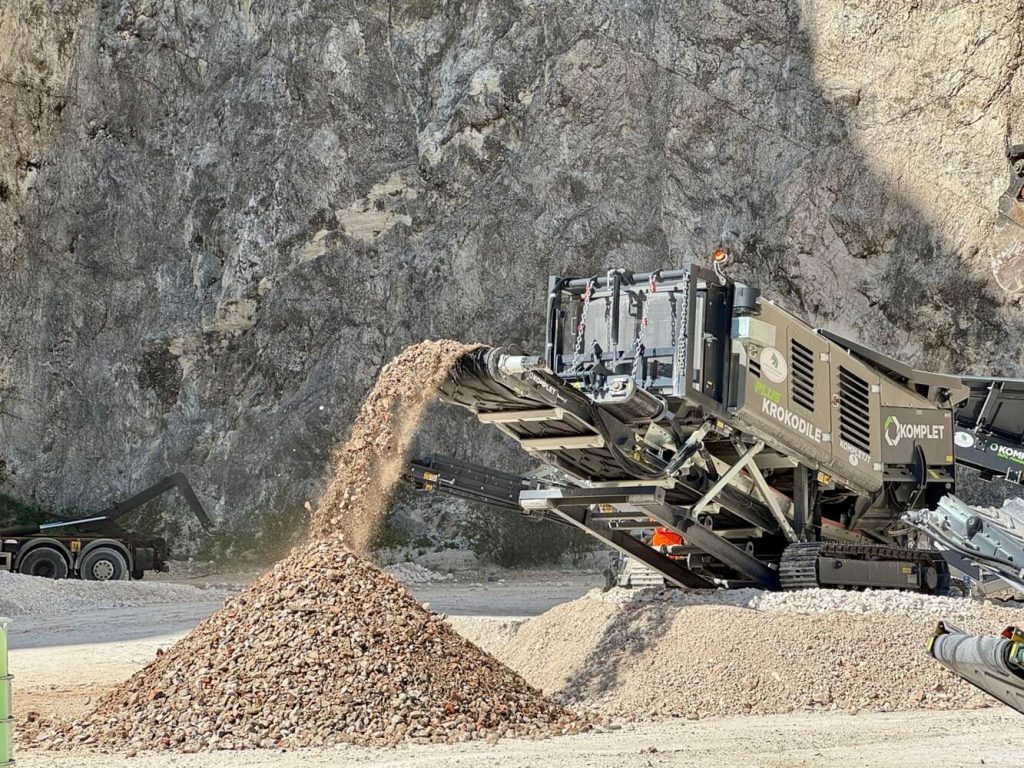
Jaw crushers reduce material through compression between fixed and moving jaw plates. The moving jaw approaches the fixed jaw, compressing material against the fixed surface until the material fractures along its weak planes. The first mechanical jaw crusher was patented by Eli Whitney Blake in 1858 — the foundational compression-based reduction principle still used in modern jaw crushers.
Jaw Crusher Strengths
- Wide jaw opening accepts irregular feed — demolition concrete pieces, excavated rock, asphalt chunks within the recommended max feed size load directly
- Compression handles rebar reliably — breaks concrete around embedded steel without wrapping it through moving parts
- Hydraulically adjustable output — flexible spec range from one machine setting
- Simple, robust, durable design — fewer moving parts, longer wear life on jaw plates
- Standard reverse jaw function (on Komplet jaw crushers) clears uncrushable material via wireless remote in seconds
- Typical reduction ratio 6:1, up to 8:1 in some configurations — adequate for most primary reduction applications
Jaw Crusher Trade-Offs
- Less uniform output shape — flat or elongated particles compared to impact or cone crusher output
- Single reduction stage — typically requires downstream secondary crushing for premium aggregate markets
- Higher noise during operation from compression action — though Komplet jaw crushers include standard dust suppression and wireless remote operation
Jaw Crusher Applications
Primary reduction in: demolition contracting, concrete and asphalt recycling, excavation rock processing, aggregate production at small-to-mid scale, paving and road construction, landscape supply yards, quarry operations at compact mobile scale, C&D recycling, disaster recovery.
Impact Crushers: Premium Cubical Output
Impact crushers reduce material through high-speed rotor blow bars (NOT hammers — hammers belong to hammer mills, a different crusher type). The rotating blow bars strike material in the chamber, throwing it against impact plates (also called impact aprons) where additional reduction occurs. Material rebounds between rotor and impact plates multiple times, with the repeated impact action producing more uniform, more cubical output than compression-based jaw crushing.
Impact Crusher Strengths
- Highly cubical output — suits concrete batch plants, hot-mix asphalt plants, decorative aggregate markets
- Higher reduction ratio (typically 10:1 or higher) — significant size reduction in single pass
- Adjustable impact aprons for output size control
- Handles softer rock and asphalt well — material breaks cleanly under impact
Impact Crusher Trade-Offs
- Higher wear-rate-per-ton on blow bars and impact aprons compared to jaw plate wear in jaw crushers — wear part costs higher per ton processed
- Sensitive to large feed contamination — oversized rebar bundles or embedded structural steel can wrap around the rotor
- Typically secondary not primary role for demolition operations — primary jaw crushing handles rebar; impact secondary handles cubical refinement
- Higher dust generation — though dust suppression is available
Impact Crusher Applications
Secondary cubical reduction after primary jaw crushing in: aggregate production for premium mix-design markets, asphalt recycling for hot-mix plant feedstock, concrete recycling for batch plant aggregate, decorative aggregate production. Some natural rock primary applications use impact crushers (limestone quarries with clean feed and no rebar contamination).
Cone Crushers: Mid-Volume Secondary Production
Cone crushers reduce material through compression between a rotating mantle and a fixed concave bowl. The rotating mantle gyrates within the concave, creating a continuously varying compression zone. Cone crushers are typically used for SECONDARY and TERTIARY reduction in mid-volume aggregate operations — usually as part of a fixed-plant installation paired with a primary jaw crusher.
Cone Crusher Characteristics
- Highly cubical output — similar to impact crusher output shape
- Reduction ratio typically 4:1 to 6:1 — similar to jaw, but with finer-tuned output
- Adjustable closed-side setting for precise output spec control
- Lower wear cost than impact crushers for harder feed material
- Typically fixed-plant installations at established quarries; mobile cone crushers exist but represent a different equipment category than Komplet’s compact mobile lineup
Where Cone Crushers Fit (Komplet doesn’t make these)
Mid-volume aggregate production at established quarries (typically 100,000+ tons annually with consistent feed material), tertiary reduction stages, premium aggregate markets requiring tight spec control. Cone crushers are made by manufacturers focused on that equipment segment — not part of Komplet’s compact mobile lineup. For Komplet customers needing cubical output, the K-IC 70 impact crusher serves the role for compact mobile operations.
Gyratory Crushers: Mining-Scale Primary Reduction
Gyratory crushers reduce material through compression between a conical mantle and a stationary concave. Similar to cone crushers in mechanical principle but built for much larger scale — gyratory crushers handle very large feed pieces (60+ inch diameters) at very high throughput (1,000+ tph). They serve mining-scale primary reduction at major operations producing 500,000+ tons annually per crusher.
Where Gyratory Crushers Fit (Komplet doesn’t make these)
Mining operations (iron ore, copper, gold, hard rock mining), very large quarries, coal preparation plants. Mining-scale fixed-plant equipment from manufacturers specializing in that market segment. Gyratory crushers represent a fundamentally different equipment category and operational scale than compact mobile crushers — Komplet does not serve mining markets.
Hammer Mills: Soft Material Specialty
Hammer mills reduce material through high-speed rotating hammers (the actual hammers, not blow bars). Hammers strike soft material against breaker plates and screen bars, producing fine-particle output. Used in specialty applications for soft minerals (limestone, gypsum, coal, soft non-abrasive materials).
Where Hammer Mills Fit (Komplet doesn’t make these)
Specialty industrial mineral processing, agricultural lime production, fine-particle output requirements from soft material feed. Used in specific applications where neither jaw nor impact crushers fit the operational profile. Manufactured by companies focused on this equipment segment — not part of Komplet’s compact mobile design philosophy. For most aggregate and demolition applications, jaw and impact crushers handle the role hammer mills fill in some specialty operations.
High-Pressure Grinding Rolls (HPGRs): Mining and Cement Specialty
HPGRs reduce material through compression between two counter-rotating rolls under very high pressure. Used in specialized mining and cement plant applications for fine-grinding feed material before downstream processing. HPGRs are made by manufacturers focused on these specific market segments.
Where HPGRs Fit (Komplet doesn’t make these)
Iron ore concentration, copper ore preparation, cement clinker grinding, specialty mineral processing. Mining and cement plant applications fundamentally distinct from construction-side compact mobile crushing. Mentioned here for completeness in technology comparison; not relevant to typical Komplet customers.
Project-Fit Decision Framework
Match crusher technology to project type using these criteria:
By Project Type
- Demolition contracting (concrete with rebar): Jaw crusher primary; add impact crusher secondary only if targeting premium cubical aggregate markets
- Concrete or asphalt recycling: Jaw crusher primary; add impact crusher if hot-mix plants or batch plants are customers
- Excavation rock recovery: Jaw crusher — handles raw excavated material directly
- Small-to-mid aggregate production: Jaw crusher primary; add impact secondary for cubical premium output if markets justify
- Premium aggregate (concrete batch, asphalt mix): Jaw + impact two-stage workflow for cubical output
- Mid-volume quarrying with cubical premium: Jaw + impact two-stage; or fixed-plant cone crusher (different manufacturer, different equipment scale)
- Mining-scale primary (500,000+ TPY): Gyratory crusher (mining manufacturers, fixed plant) — not compact mobile equipment
- Soft mineral fine-grind: Hammer mill (specialty manufacturers) — not Komplet’s product space
By Operational Scale
- Under 5,000 tons annually: K-JC 503 jaw crusher (compact mobile, tight access)
- 5,000-30,000 tons annually: K-JC 604 jaw crusher
- 30,000-100,000 tons annually: K-JC 704 PLUS jaw crusher (Komplet’s best-seller)
- 100,000-300,000 tons annually: K-JC 805 jaw crusher (largest compact mobile)
- 300,000+ tons annually: Mining-scale fixed plant equipment (different manufacturers, different equipment category)
By Output Spec Requirement
- Crusher run / road base / fill / drainage stone: Jaw crusher single-stage typically sufficient
- Spec-sized aggregate (3/4″, #57, etc.): Jaw crusher + vibrating scalping screen
- Premium cubical aggregate (concrete, hot-mix): Jaw primary + impact secondary + screen
- Manufactured sand / fines / fine aggregate: Specialty equipment beyond Komplet’s compact mobile lineup; consult manufacturers focused on those segments
Komplet America’s Compact Mobile Lineup
Compact Mobile Jaw Crushers
- K-JC 503 — up to 34 US tph, 19″ x 12″ jaw, 25 HP Tier 4 Final, ~7,496 lb. Tight-access urban work.
- K-JC 604 — up to 55 US tph, 23″ x 16″ jaw, 55 HP, ~19,400 lb. Mid-range demolition.
- K-JC 704 PLUS — up to 90 US tph, 27″ x 16″ jaw, 74 HP, ~26,455 lb. Komplet’s best-selling crusher.
- K-JC 805 — up to 160 US tph, 31″ x 21″ jaw, 130 HP, ~49,600 lb. Largest jaw crusher in the lineup.
Compact Mobile Impact Crusher
- K-IC 70 — up to 90 US tph, 25″ x 20″ inlet, 100 HP. Premium cubical secondary aggregate.
Frequently Asked Questions
Do impact crushers use hammers?
No — impact crushers use blow bars, not hammers. Hammers belong to hammer mills (a different crusher type that Komplet doesn’t make). Hammer mills use rotating hammers to shatter soft material; impact crushers use blow bars on a high-speed rotor. The terminology distinction matters because each type handles different materials differently.
What’s the difference between jaw and impact crushers in practice?
Jaw crushers reduce by compression between two jaw plates — handle large irregular feed and contaminated material (like rebar in demolition concrete) reliably. Impact crushers reduce by high-speed rotor blow bars striking material against impact plates — produce more cubical output preferred for premium aggregate applications. Most demolition operations use jaw alone; operations targeting concrete batch plants or hot-mix asphalt plants add impact crushing for cubical output.
Should I use a cone crusher or impact crusher for secondary?
Both produce cubical output suitable for premium aggregate markets, with different operational characteristics. Cone crushers are typically fixed-plant installations at established quarries and are made by manufacturers focused on that equipment segment. For compact mobile operations, the K-IC 70 impact crusher provides cubical secondary output without the capital and infrastructure of fixed-plant cone installations. Komplet doesn’t make cone crushers — operations needing cone crushers should consult manufacturers focused on that segment.
When does a project NOT need a crusher at all?
Projects with low material volume (under 200-500 tons of crushable material in markets with low tipping fees), projects close to existing aggregate suppliers with cheap delivery, or projects where the demolition material isn’t suitable for recycling (heavily contaminated, mixed with hazardous materials, etc.). Honest assessment of project economics may show that conventional disposal pathway is the right choice for some projects.
Can the same crusher handle multiple project types?
Yes — Komplet jaw crushers handle the full range of construction-side feed materials: demolition concrete, asphalt, brick, masonry, mixed C&D, excavated rock, natural stone. Hydraulic jaw setting adjustment supports flexible output spec from a single machine. Most contractor operations using compact mobile jaw crushers handle multiple project types with the same equipment.
How does compact mobile equipment compare to fixed-plant installations?
Compact mobile equipment delivers lower capital cost, faster deployment, multi-site flexibility, and easier financing — but lower throughput than large fixed-plant installations and somewhat higher cost-per-ton at very high volumes. Fixed plants deliver higher sustained throughput, lower cost-per-ton at high utilization, and integrated multi-stage processing — but require established quarry sites, significant capital, and operational scale that doesn’t fit construction-side work. Match the equipment category to the operational profile.
Can I rent equipment to evaluate which technology fits my project?
Yes — through Komplet’s authorized dealer and rental network. Find your local Komplet dealer or call (908) 369-3340. Renting jaw and impact crushers on real projects validates which technology fits your specific operation before committing to purchase. Many partners offer rent-to-own arrangements where rental payments credit toward eventual purchase.
What’s the warranty on Komplet equipment?
All new Komplet equipment ships with a 1-year / 1,000-hour warranty (whichever comes first). Komplet America’s parts inventory is forecasted 12 months in advance, supporting fast wear-part availability when service items are needed. Authorized dealers across North and Central America provide local service support — call (908) 369-3340 for parts, service, or technical questions.
Final Thoughts
Comparing crushing technologies starts with understanding what each technology actually does mechanically and where each fits in the operational landscape. Jaw crushers handle most construction-side primary reduction reliably; impact crushers add value when premium cubical aggregate markets justify the additional equipment investment; cone crushers, gyratory crushers, hammer mills, and HPGRs serve specific scales and applications outside Komplet’s compact mobile design philosophy. The right comparison framework focuses on project-specific criteria — feed material, throughput requirements, output spec, operational scale, and capital position — rather than on absolute statements about which technology is “best.” For construction, demolition, recycling, excavation, and small-to-mid-volume aggregate operations, Komplet America’s compact mobile jaw crushers and K-IC 70 impact crusher cover the full operational range; for other operational profiles, manufacturers specializing in those segments serve the role better.
Browse Komplet America’s compact mobile crusher lineup — K-JC 503 through K-JC 805 plus K-IC 70 — or call us to discuss which technology and model fits your specific project type.
Ready to Talk Crusher Technology?
- Call (908) 369-3340
- Email [email protected]
- Schedule a demo or request a quote
- Find your local Komplet dealer for rental availability
- Ask about our 1-year / 1,000-hour warranty and equipment financing options
Never enough — that’s how we approach service, support, and helping operations choose the right crusher technology for their specific project requirements.
Disclaimer: All cost, ROI, payback, and pricing figures in this article are illustrative examples based on sample assumptions about volume, regional pricing, material specifications, and market conditions. Actual results vary significantly by region, market, material type, equipment utilization, operator skill, financing terms, regulatory environment, and many other factors. Equipment pricing, fuel costs, labor rates, and wear-part costs all change over time and by location. Komplet America makes no guarantee, warranty, or representation of specific financial performance, payback timelines, or business outcomes for any particular operation. For current pricing and a payback estimate based on your specific volume, material, and local market, contact us at (908) 369-3340 to speak with our team.