
A vibrating screener that runs reliably is one of the most productive pieces of equipment on a contractor or recycler’s job site. A vibrating screener that goes down at peak production is one of the most expensive. The difference between the two outcomes is almost always maintenance — daily attention to the basics, weekly checks of wear items, and monthly inspections of the drive components that turn small problems into expensive failures.
This guide walks through the practical maintenance routine for compact mobile vibrating screeners and trommel screeners — daily, weekly, monthly, and seasonal inspections, mesh swap procedures, lubrication points, common wear items, troubleshooting symptoms, and how to source the right parts. This is a companion to our crusher maintenance guide — both pieces together cover the maintenance program for an integrated crushing-and-screening operation.
Vibrating Screeners and Trommels: Different Machines, Different Maintenance
Before getting into the maintenance routine, it’s worth being clear about which machine you’re maintaining. Vibrating screeners and trommels are often called “screeners” interchangeably, but they’re mechanically very different and have different wear profiles.
Vibrating Scalping Screens
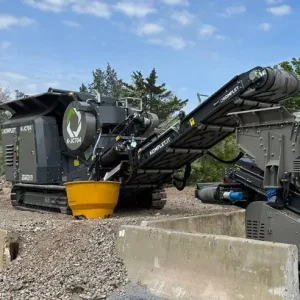
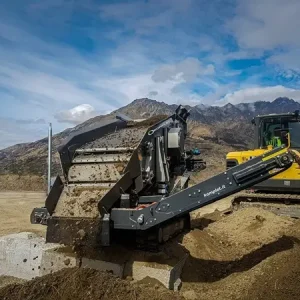
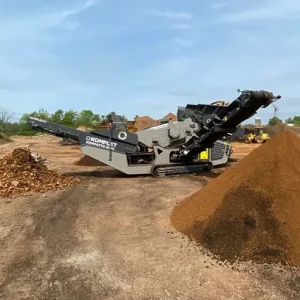
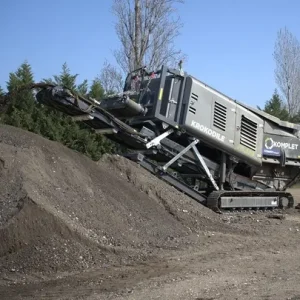
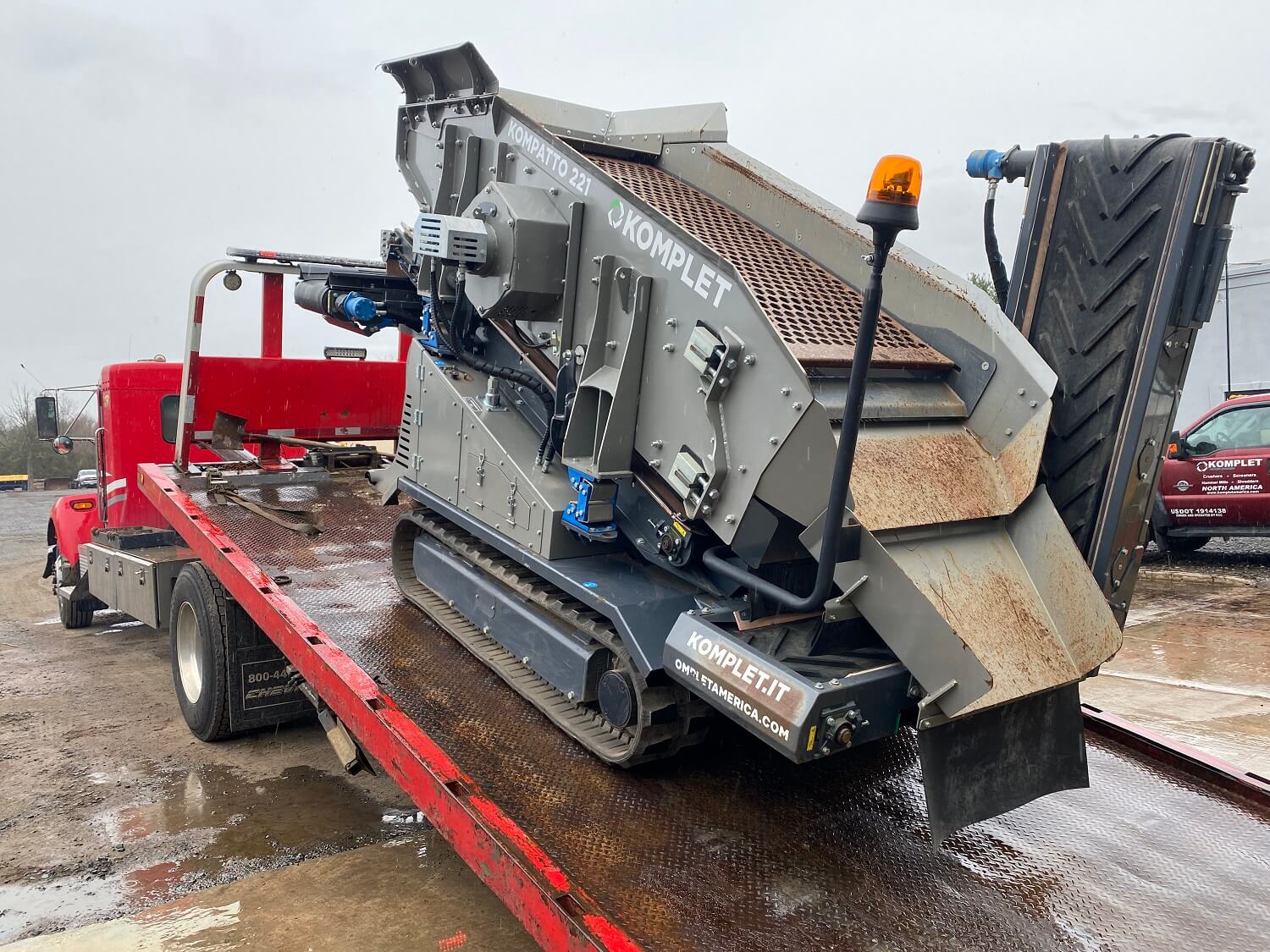
Komplet’s Kompatto vibrating scalping screens (Kompatto 221, 5030, 124) use a deck-and-mesh design with vibrator motors driving aggressive shaking action that separates material by size. Wear is concentrated in the screen mesh, the vibrator bearings, the support springs, and the deck supports. Maintenance focuses on tightening fasteners that loosen under constant vibration, monitoring bearing condition, and replacing mesh as it wears or blinds.
Trommel Screeners
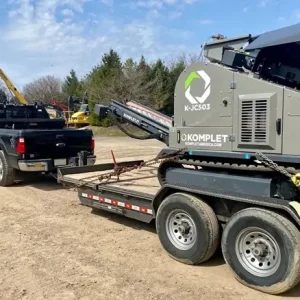
Komplet’s K-TS 30 and K-TS 40 trommel screeners use a slowly rotating perforated drum to separate material. The mechanics are completely different — wear concentrates in the drum support rollers, the drive system, the cleaning brush, and the drum perforations themselves. Maintenance focuses on roller condition, drive chain or belt tension, and brush wear.
Both machine types share some maintenance fundamentals (lubrication, structural inspection, electrical checks) but each has its own wear profile. We cover both in this guide.
Daily Maintenance Routine
Daily maintenance is the highest-leverage practice in any screening operation. Five minutes at the start and end of each shift catches 80% of the problems that would otherwise escalate into expensive failures.
Pre-Shift Walkaround (5 minutes)
- Visual inspection of the entire machine — look for material buildup, leaks, missing fasteners, visible damage, frayed wiring, or anything obviously out of place from the previous shift.
- Fluid levels — check engine oil, hydraulic fluid, fuel level. Top off as needed per OEM manual specifications.
- Tire/track condition (for self-propelled tracked machines) — visual check for damage, rocks lodged in track links, or excessive wear.
- Hopper and feeder area — clear any oversized material or debris that shouldn’t enter the machine.
- Wireless remote — confirm battery charge and operation before powering up the screener.
Post-Shift Cleaning and Quick Maintenance (10-15 minutes)
- Clean the screen mesh — remove caked-on material, especially with moist or sticky feed. Material that hardens overnight is much harder to remove the next morning.
- Wash down the deck — water-spray to flush fines from corners and structural members where they accumulate. Wet fines that dry and harden become a constant maintenance burden if ignored.
- Walk the bolted connections — vibrating equipment loosens fasteners over time. Spot-check critical bolts (vibrator motor mounts, deck attachment, spring supports) at the end of every shift. Tighten anything that’s started to back off.
- Re-grease wear points if specified by the OEM manual for daily intervals — typical points include vibrator bearings on some models, shaft bearings, and articulated components on tracked machines.
- Lower or fold conveyors if the machine is staying overnight on the job site — protects from wind damage and weather exposure.
Weekly Maintenance Routine
Weekly maintenance covers the wear items that don’t need daily attention but require regular inspection to prevent unexpected failures.
Mesh and Deck Inspection (Vibrating Scalping Screens)
- Inspect screen mesh thoroughly — look for tears, holes worn through the wire, blinded sections where fines have packed into the openings, or sagging where the mesh has stretched.
- Check mesh tensioning — properly tensioned mesh vibrates correctly with the deck and produces accurate separation. Loose mesh produces poor separation and accelerates wear.
- Inspect deck rubber/wear strips — these protect the deck steel from material impact and need replacement when worn.
- Check support springs — look for cracks, deformation, or visible wear at attachment points.
Drum and Drive Inspection (Trommel Screens)
- Inspect drum perforations — look for blocked perforations from material buildup, wear of perforation edges from abrasive material, and any deformation of the drum surface.
- Check drum support rollers — these carry the rotating drum’s weight and wear more than any other trommel component. Look for grooving on the roller faces, bearing roughness when rotated by hand, or excessive lateral play.
- Cleaning brush condition — the integrated brush prevents perforations from blinding. Worn bristles reduce cleaning effectiveness; replace per OEM specs.
- Drive system — check chain or belt tension on the drum drive. Improper tension accelerates wear on the entire drive train.
Conveyor and Discharge System
- Belt condition on output conveyors — look for tears, fraying edges, splice integrity, or excessive sagging.
- Idler rollers — spin freely with no roughness or grinding sounds.
- Belt tracking — confirm belts run true on the rollers without drifting toward edges.
- Conveyor scrapers (where fitted) — clean and replace if worn down.
Monthly Maintenance Routine
Monthly inspections catch the slow-developing problems that don’t appear during daily or weekly checks.
Drive Components
- Engine inspection — air filter condition, fuel filter condition, coolant level and color, belt condition. Follow the engine manufacturer’s specific service schedule for oil changes and major intervals.
- Hydraulic system — check hydraulic fluid level and color (cloudy fluid suggests water contamination), inspect hoses for swelling or leaks, look at fitting tightness.
- Vibrator motor condition (vibrating screens) — listen for bearing noise during operation, check mounting bolts, watch for oil weep from seals. Vibrator bearing failures are catastrophic and expensive — early symptoms are worth catching.
- Trommel drive bearings and chain/belt — full inspection beyond the weekly tension check. Listen for noise, feel for vibration changes, look for wear on chain links or belt teeth.
Structural Inspection
- Frame and chassis — look for stress cracks, especially around vibration mounts and deck supports on screening equipment. Vibration causes fatigue cracks that grow slowly until they fail catastrophically.
- Welds — inspect critical welds for cracks. Pay extra attention to support brackets, motor mounts, and any locations subject to repeated stress reversals.
- Spring condition — for vibrating screens, springs are wear items. Look for cracking, fatigue, or visible deformation. Replace per OEM schedule even if they look okay — preventive replacement is far cheaper than a sprung deck.
Electrical and Controls
- Wiring harnesses — inspect for chafing, especially where harnesses pass through frame holes or near vibrating components. Worn insulation causes intermittent shorts that are very difficult to diagnose.
- Wireless remote — battery condition, button responsiveness, signal range testing.
- Sensors and switches — clean dust from any sensor surfaces, confirm proper actuation of safety stops and limit switches.
Screen Mesh Replacement
Screen mesh is the highest-wear consumable on any vibrating screener. Material falls on it tens of thousands of times per shift, and abrasive feeds wear the wire faster than gentle ones. Knowing when and how to replace mesh is fundamental screener maintenance.
When to Replace Mesh
- Visible holes or tears — beyond a small puncture, oversized material is now bypassing into the wrong fraction. Replace immediately.
- Worn-through wires at high-contact zones — the feed end of any deck wears fastest because material lands hardest there.
- Persistent blinding — when fines have permanently packed into mesh openings and won’t clean off with normal vibration. Replace rather than fight it.
- Loss of separation accuracy — if your output sizes are no longer meeting spec despite proper feed and operation, the mesh has likely opened up or distorted.
- Stretching or sagging — mesh that sags below its original tensioned position has lost the ability to vibrate properly.
Mesh Replacement Best Practices
Mesh replacement procedures vary by machine model. Always follow the OEM manual’s specific procedure for your equipment. General best practices:
- Stage the replacement — schedule mesh changes during planned downtime, not as emergency reactions to mid-shift failures.
- Replace as a set — when you change one deck section, inspect adjacent sections and replace if they’re close to end-of-life. Multi-stop replacements waste hours over piecemeal swaps.
- Order quality replacement mesh — OEM-spec mesh from Komplet America’s parts department or your authorized dealer. Off-spec mesh from third-party sources may not fit correctly and can void warranty coverage.
- Tension correctly — proper tension is essential for accurate separation and maximum mesh life. Refer to your OEM manual for tensioning procedure and torque specifications.
- Run-in period — after mesh replacement, run a brief unloaded operation to confirm the mesh is seating properly before introducing material.
Common Problems and Troubleshooting
Five problems account for the vast majority of screener service calls. Recognizing the symptoms early often prevents major failure.
Problem 1: Reduced Throughput
Symptoms: lower tons per hour than the machine should produce; material backing up at the feed end; visible material accumulation on the deck.
Common causes: mesh blinding (fines packed into openings), over-feeding (too much material at once), wet/sticky material plating out on the deck, vibrator motors out of sync (twin-motor designs), or worn springs reducing vibration amplitude.
First checks: inspect mesh, confirm feed rate is steady and metered, check vibrator motor sound and operation, verify deck angle is correct.
Problem 2: Poor Separation Accuracy
Symptoms: fines coming out with overs; oversize bypassing into the fines product; output sizes not meeting spec.
Common causes: mesh damage (holes letting oversize bypass), incorrect mesh tension (loose mesh doesn’t vibrate properly), feed rate too high (material moves too fast for separation), wrong mesh size for target spec.
First checks: thorough mesh inspection, tensioning verification, feed-rate adjustment, confirmation that installed mesh matches the spec target.
Problem 3: Excessive Vibration or Unusual Noise
Symptoms: machine shakes more than usual; new bearing whine or grinding; structural rattling that wasn’t there before.
Common causes: loose fasteners (bolts backed off from vibration), worn springs, vibrator motor bearing failure, broken or cracked deck supports, structural fatigue cracks.
First checks: walk the entire machine and tighten any loose fasteners, inspect springs and supports, listen for bearing condition with engine off and running. Stop production immediately if you suspect bearing or structural failure.
Problem 4: Trommel Drum Not Rotating Smoothly
Symptoms: drum hesitating, jerking, or stopping under load; unusual noise from drive system; uneven material distribution along drum length.
Common causes: drive chain or belt tension issues, worn drum support rollers, drum off-balance from material buildup or bent perforated panels, drive motor or hydraulic motor problems.
First checks: drive chain/belt tension and condition, support roller wear and bearing condition, drum balance with no load, drive motor function.
Problem 5: Conveyor Issues
Symptoms: belt slipping, tracking off the rollers, unusual belt noise, material not discharging correctly.
Common causes: belt tension incorrect, worn or damaged idler rollers, tracking out of adjustment, belt damage, drive pulley contamination.
First checks: belt tension, idler roller condition, belt tracking adjustment, scraper condition where fitted.
Parts and Service: Source from the OEM
Komplet America maintains a forecasted parts inventory 12 months in advance — when you need a part, it ships fast. The Komplet America parts and support team handles wear-part orders, scheduled service items, mesh replacements, and warranty parts directly. For dealer-network customers, your authorized Komplet dealer carries common wear items locally.
OEM parts matter for three reasons: fit (correct geometry and tolerances), durability (specified material and treatment), and warranty coverage (third-party parts can void warranty on related components). For mission-critical machines running production every day, OEM parts are not the place to save money.
For service questions specific to your Komplet equipment, call 908-369-3340 — the same number for sales and service. We talk to operators every day, and the team can usually help diagnose a problem over the phone before any service visit becomes necessary.
Frequently Asked Questions
How often should I inspect a vibrating screener?
Daily walkarounds at start and end of every shift. Weekly thorough inspection of mesh, deck, springs, and conveyors. Monthly inspection of drive components, vibrator motors, structural welds, and electrical systems. Always follow the schedule specified in your OEM manual for service intervals.
How long does screen mesh typically last?
Mesh life varies enormously by material. Abrasive feeds (granite, quartzite, hard slag) wear mesh in weeks of heavy production. Less abrasive material (limestone, RCA, soft sandstone) extends life to months. Compost and topsoil applications often run a season or longer on a single mesh. Track mesh hours and material throughput to understand wear rates in your specific operation.
Can I do screener maintenance myself or do I need a service technician?
Daily and weekly maintenance is operator-level work — cleaning, fastener checks, lubrication, mesh inspection, and basic conveyor adjustments. Monthly inspection includes some operator-level checks plus items that may require a qualified technician (vibrator bearing diagnosis, structural welding inspection, electrical troubleshooting). For major repairs (vibrator replacement, structural welding, hydraulic system service), use a Komplet-certified service technician or the manufacturer’s authorized service network.
What’s the most common failure mode on a vibrating scalping screen?
Loose fasteners. Vibrating equipment shakes constantly, and any bolted connection backs off over time. The single most effective preventive maintenance practice is daily walkthrough with a torque wrench checking critical fasteners. Bearing failures and mesh wear are next most common, but both develop over weeks and give plenty of warning if you’re paying attention.
How do I know when my vibrator motor is failing?
Early warning signs include new noise (whining or grinding), increased motor temperature, oil seeping from seals, increased vibration in the wrong direction, or visible cracks in mounting brackets. If any of these appear, stop production and have a service technician diagnose. Continued operation of a failing vibrator can damage the entire drive system and the deck structure.
Should I keep spare mesh on hand?
Yes — at minimum one full set of replacement mesh for each screen deck size you run. For high-production operations, two to three sets per size. Mesh failures interrupt production immediately, and waiting on a parts order during peak season costs far more than the inventory carrying cost.
How do I maintain the cleaning brush on a trommel screener?
The brush rotates against the drum to keep perforations clear. Inspect bristle wear weekly. Replace when bristles are visibly shortened, broken, or no longer making consistent contact with the drum surface. Worn brushes lead to perforation blinding, which dramatically reduces trommel throughput.
What lubrication does a Komplet vibrating screener need?
Lubrication points and intervals are specified in your OEM manual for each model. Typical points include vibrator motor bearings, shaft bearings, conveyor pulley bearings, and articulated joints on tracked self-propelled units. Use only the lubricant types specified in the OEM manual — incorrect lubricant can cause bearing failure faster than no lubricant.
Final Thoughts
Vibrating screener maintenance isn’t complicated, but it requires consistency. Daily walkarounds and end-of-shift cleaning catch most problems before they grow. Weekly inspection of mesh and conveyors prevents the surprise failures that take operations down at peak production. Monthly inspection of drive components extends machine life by years. Combined with OEM parts sourcing and the knowledge to recognize symptoms before failures escalate, a routine maintenance program turns a vibrating screener into the most reliable machine on the site.
Komplet America offers full parts, service, and technical support across the Kompatto vibrating scalping screen lineup (Kompatto 221, 5030, 124) and the K-TS trommel lineup (K-TS 30, K-TS 40). Parts inventory forecasted 12 months ahead, OEM-spec replacement mesh, scheduled service options, and direct access to the team that knows the machines. Call us anytime — our number is the same for sales and service.
Ready to Talk Screener Maintenance or Parts?
- Call 908-369-3340
- Email [email protected]
- Order parts and request service
- Schedule a demo or request a quote
- Ask about our 1-year / 1,000-hour warranty and equipment financing options
Never enough — that’s how we approach service, support, and helping you keep your screening equipment running at full production every day.
Disclaimer: This article provides general guidance on vibrating screener and trommel maintenance practices. All operators should refer to the user manual and engine manual specific to their make and model for complete maintenance schedules, service intervals, lubrication specifications, torque values, fluid types, mesh tensioning procedures, safety procedures, and manufacturer-recommended practices. Specific maintenance intervals, lubrication points, fastener torque specifications, and procedures vary by model and operating conditions — always verify against your machine’s documentation. The information in this article does not replace, supersede, or modify any guidance provided by the original equipment manufacturer (OEM). When in doubt, follow the OEM documentation. For service questions specific to your Komplet equipment, contact Komplet America’s service team at 908-369-3340.